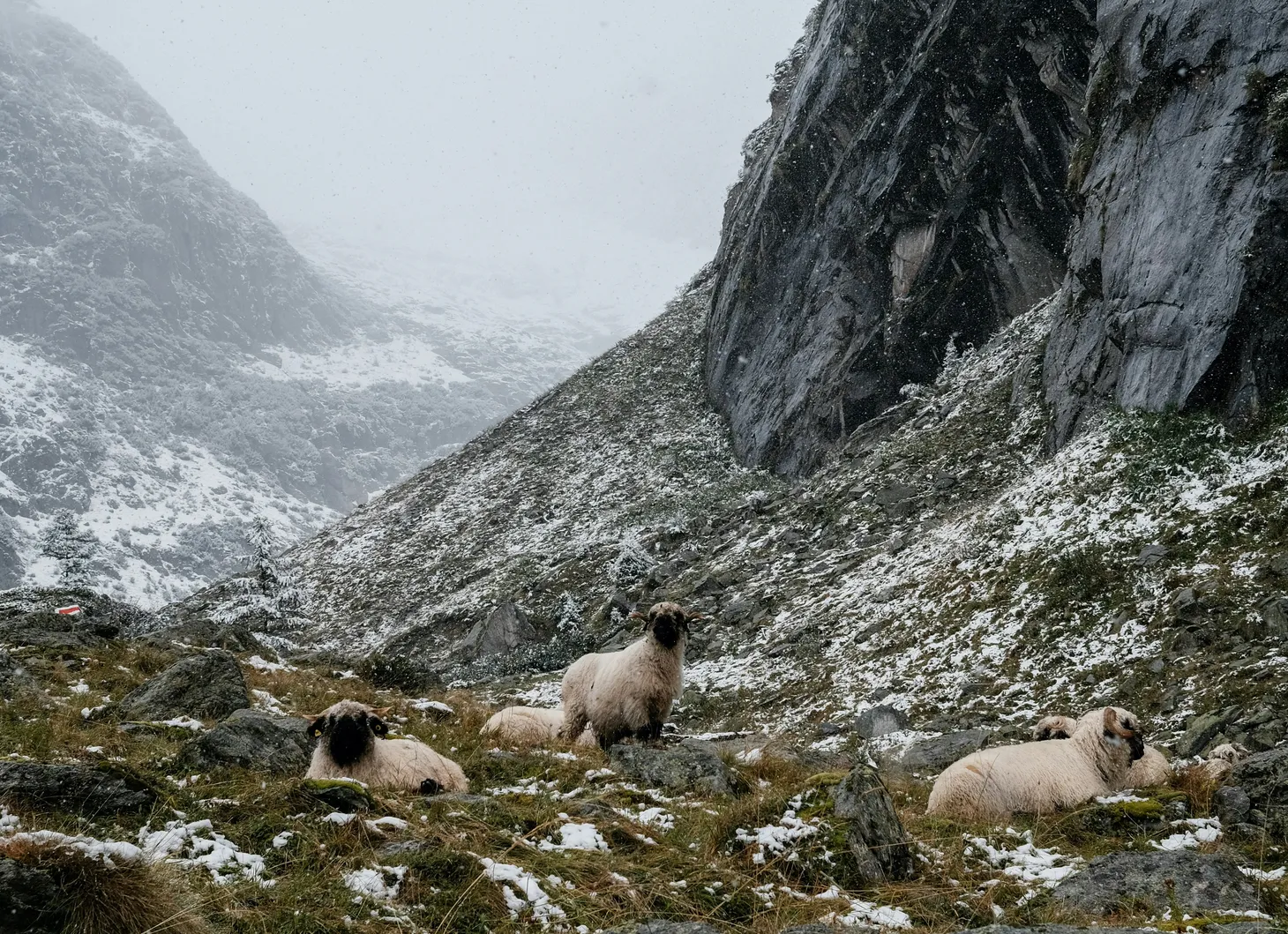
The Wool Wire | February 19, 2026
Praise for pellets, the benefits of grazing beneath solar arrays, healing soil in Tasmania, the story of Kingdom Fleece and Fiberworks, a possible mill in Montana, and more about wool denim


News snippets from the wool world
Hello, my friends!
It looks like we're finally inching our way out of the deep freeze here in Maine. Naturally, this has fueled dreams of gardens to come—and how wool might play a part in them.
I've praised pellets a lot, but also with the understanding that we need more hard data about how well they work, and at what volume. This article in Greenhouse Canada provides fascinating details about a research trial in which wool pellets were incorporated into Canadian sphagnum peat moss in which basil plants were grown. They blended the pellets at volumes of 5%, 10%, 15%, and 20% to evaluate characteristics like bulk, density, porosity, and water-holding capacity.
I have to confess my "all wool, all the time" bias extends even to the garden—but the results of this study made me reconsider moderation. The plants with 10% wool in the soil were huge and thriving. But once the wool content went above 10%, you can see the plants start to struggle.
Overall, these findings point to sheep wool as a promising, sustainable amendment for greenhouse media blends particularly when used in moderation and combined with standard fertilization and pH management practices. Our results highlight the potential of turning a simple agricultural by-product into a smart, nutrient-releasing ally for greenhouse growers. These trials were conducted on a short-season basil crop, and studies evaluating the sustained effects of wool on longer-season fruiting crops such as peppers and strawberries are underway.
The article includes photos of the basil plants that will have you weighing your own soil to reach that magic 10% mark.
 Monica Dick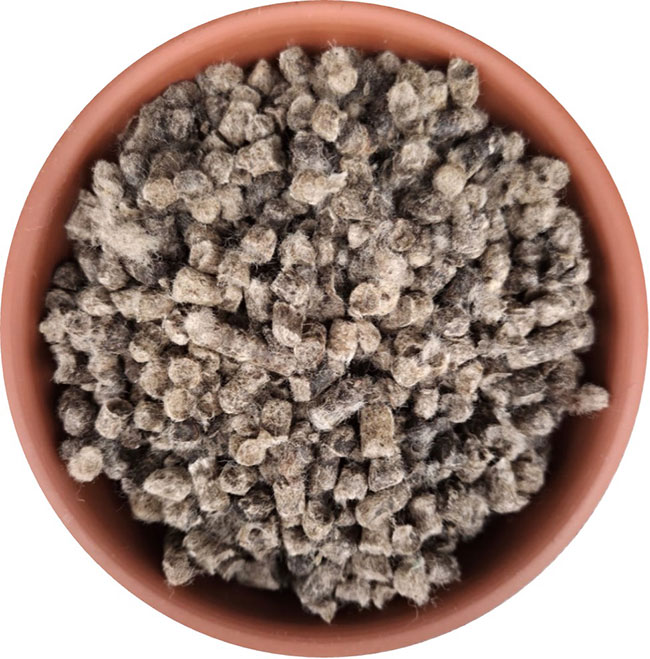
Hooray for grazing beneath arrays
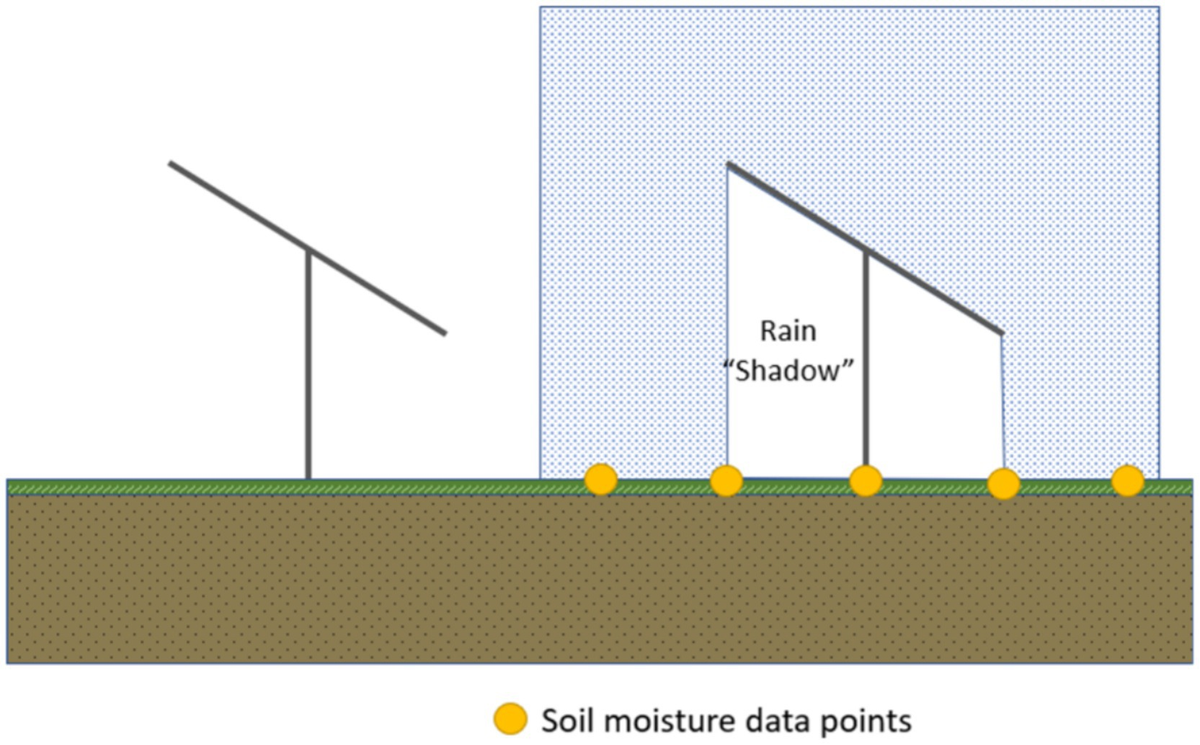
Despite policy rollbacks in the United States, solar photovoltaic energy production continues to grow. Want to know what else continues to grow? The weeds beneath panels in ground-mounted arrays. For the last few years, the concept of using animals to clear those weeds, aka solar grazing, has been gaining traction.
But what impact does this grazing really have on the soil? Last August, the results of a multi-year solar grazing study were published in the Journal of Sustainable Food Systems.
And, while the deeper parts of the study get geeky, the introduction provides one of the best explanations of solar grazing—what, where, how, and why—I've read yet.
...groundbreaking findings showing how solar grazing enhances biodiversity, strengthens soil health, improves forage quality, and supports local agricultural production, all while offering a cost-effective alternative to mechanical mowing.
The goal of this project was to "collect baseline data on the impact of sheep grazing within commercial solar energy sites on soil health, forage nutritive quality, and pasture conditions in the northeastern USA." In other words, they wanted to figure out just how "healthy" grazing animals (instead of lawnmowers) were for the soil beneath panels. It turns out, the practice benefits the soil and the animals grazing on it.

Restoring the landscape
Speaking of beneficial grazing environments, here's a fascinating case study about a 900-hectare ultrafine Merino farm in Tasmania that's spent the last four years restoring the landscape—and they've just received a grant to further their goals of making their wool production as sustainable as possible.
Let's let farm owner Trent Young explain what he means by "sustainable."
"There’s a great opportunity to introduce more vegetation back into the landscape and rehabilitate areas that probably shouldn’t have been cleared. Planting shelter belts and providing more shade will provide protection for the sheep from wind and rain, reduce erosion and increase biodiversity. That will help to capture moisture and other fertility in the landscape.
We’re looking to create vertical diversity as well with the tree planting, so not just planting large trees that will grow up and dominate the landscape to the exclusion of all else."
May they be a beacon for others who want to follow suit.


Another link in the chain?
You've heard me talk about how fragile our wool supply chain is here in the United States. We currently have only two commercial-scale scouring plants left—of which only one can produce combed top.
I hope you'll permit me some joy at this next piece of news. The Western Wool Growers Alliance just received a $35,000 grant to study the feasibility of an industrial wool mill in Montana.
It's just a feasibility study, but still. The vast majority of finewools grown in the United States come from the mountain states. Having a commercial-scale facility that can take wool from raw to combed top in this very region? That could be huge.
But small is good too
You don't need to process 10,000 pounds of wool per day to make a difference. I loved this profile of Kingdom Fleece and Fiberworks, a small wool mill in Vermont that's filled with soul and big hopes.
 Elissa Borden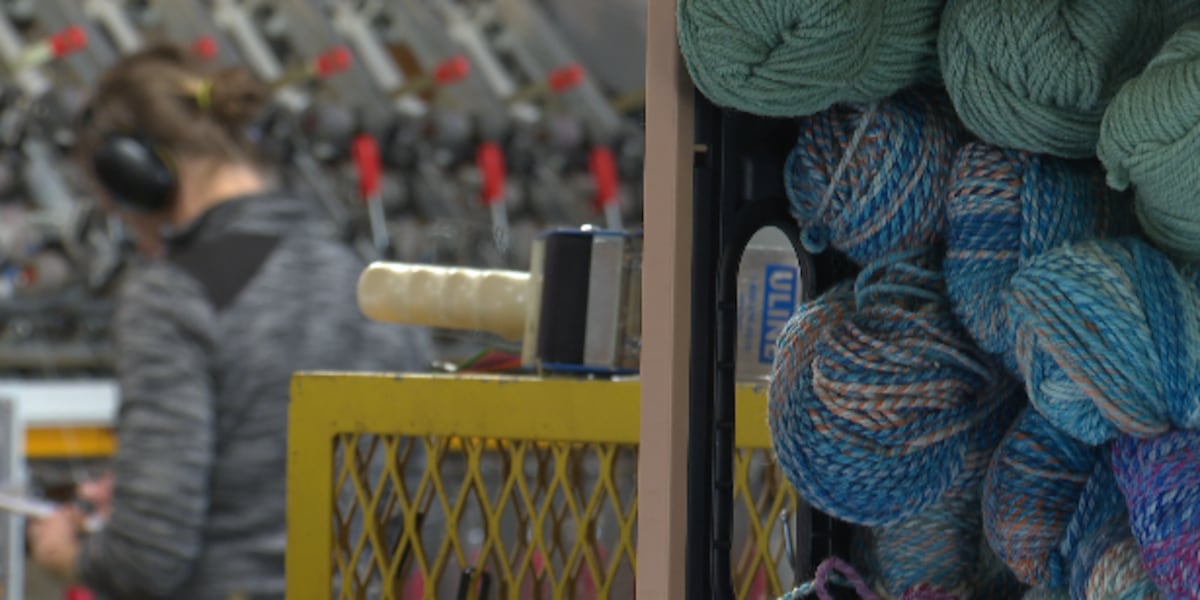
Delighting in denim
Wool continues to make inroads in the denim market. This last piece adds helpful context to the Wool Lab Denim Edition sourcing guide and toolkit that Woolmark released last year.
 Angela Velasquez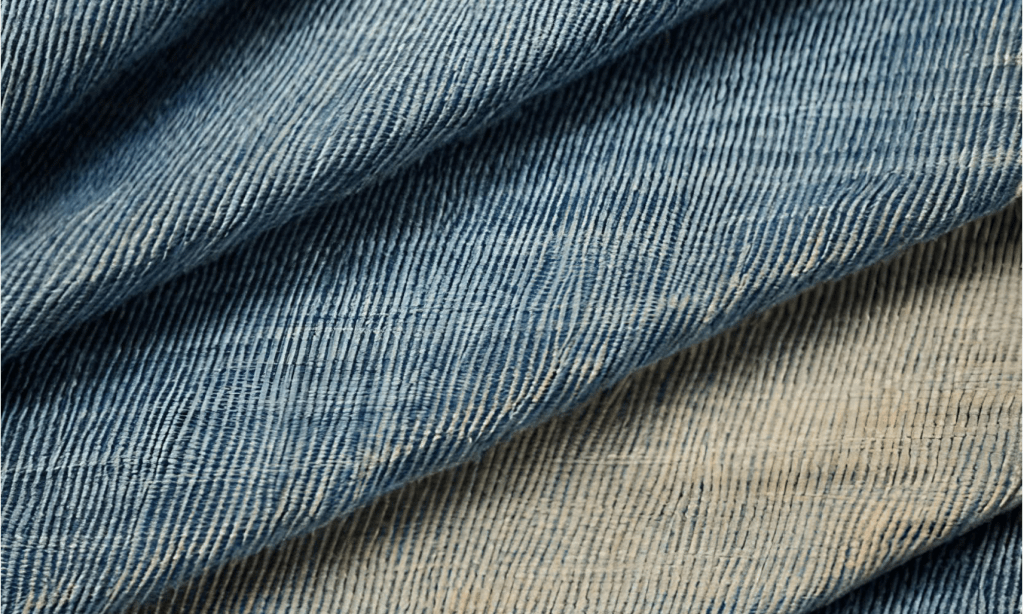
On that note, I'll let you go.
Thanks, as always, for your readership and your support.
Until next time, stay warm and take care,
Clara

The Wool Channel Newsletter
Join the newsletter to receive the latest updates in your inbox.