The Wool Wire | July 23, 2026
Wool in the garden, flammable Madewell sweaters, how an urban lumberjack finds wool at thrift shops, new branding for Scottish wool, sourcing Canadian wool, and a romp through early textile history at the Library of Congress


News snippets from the wool world
Hello, my friends,
The current news cycle is bringing us more heartbreaking stories of heat, drought, and wildfires around the globe—making it more important than ever for us to pull away from fossil fuels, take care of our soil, and keep fires at bay. All of which points us, once again, back onto the path of wool.
Earlier this week, The Spruce ran a piece about the benefits of using wool in the garden. It covers a lot of territory that we've discussed here already, but any increased awareness of wool in the garden is fine by me. The author, Lauren Landers, reached out to me while she was writing the story, and I was delighted at having a chance to get in my two cents.
Madewell discovers the perils of sparks
On the subject of fire, a major problem with petroleum-based and chemically manufactured clothing that doesn't get nearly enough attention is flammability. Fashion brand Madewell recently had to recall almost 6,000 women's sweaters for this very reason after testing revealed that those sweaters failed to meet federal safety standards for clothing textiles.
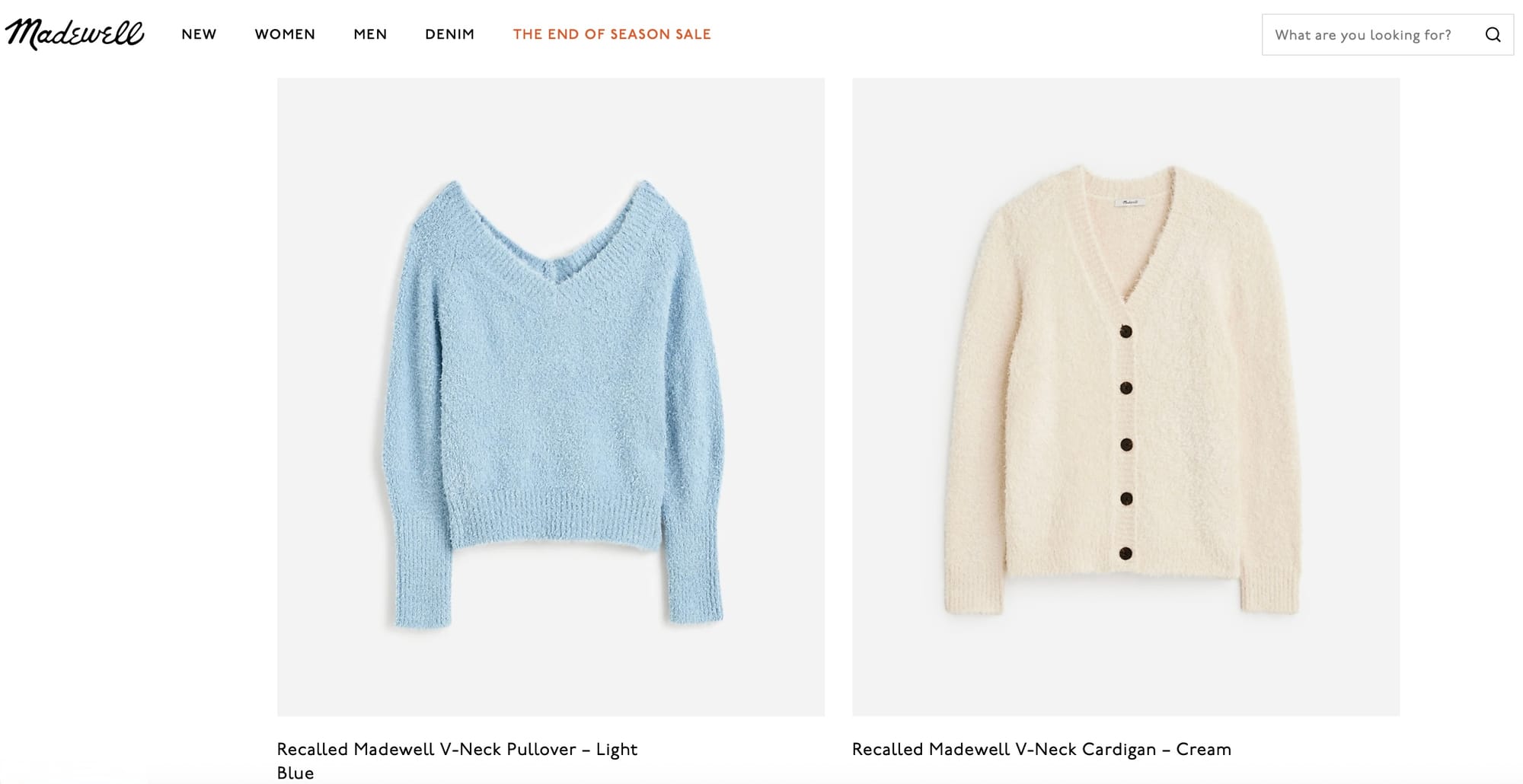
What specific safety standards did these garments fail? In its recall announcement, the Consumer Product Safety Commission reported that one sweater (so far) had caught fire.
As far as I'm concerned, one sweater catching fire is one too many.
You do know Jack
You know what kind of sweaters don't like to catch fire? Wool ones, that's what. And lest you think that wool sweaters are too expensive for the average person, may I remind you about the gold mine that is thrifting?
A man who goes by the name Urban Lumberjack (I'll let you guess the subject of his YouTube channel) did a beautiful short clip on the joys of buying good wool sweaters at the thrift store, and how he manages to find the gems.
I get excited when I see wool pop up on YouTube channels of people who don't usually discuss wool. The enthusiasm in the comments gave me hope.
First whiskey, then wool
An ongoing theme this year has been the rise in regional textile identities—and how they promise to help us rebuild regional wool economies around the world. This time, we're in Scotland to celebrate the release of a new logo and certification process for Scottish wool.
Not only does the new certification provide assurance over the wool's quality, but it also allows the raw material to be traced to its source.
And as demand gradually moves from fast fashion to longer-lasting and more sustainable garments, the popularity of Scottish fleeces is expected to grow.
I live for the day when we can flip the tag on any garment and see not only the fiber content but the precise origin of those fibers.
 David Knox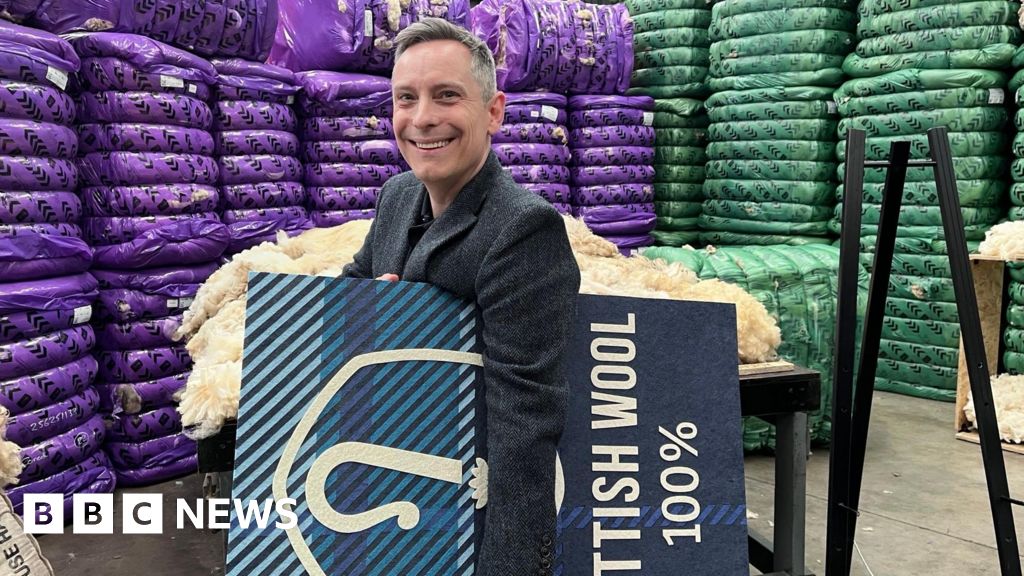
Oh Canada
Meanwhile, our friends in Canada continue to keep knocking their wool revival out of the park. Canadian Wool now maintains a sourcing guide where people can find local wool "for home, garden, closet, and crafts."
This guide highlights certified partners who are producing finished Canadian wool Clothing and Accessories. Each entry outlines the product type, sheep breeds, and certification tier, helping identify both material properties and level of domestic sourcing. The range of breeds and end uses reflects the versatility of wool, including applications that make use of coarser or less traditionally valued fibre.
I'm so impressed with how hard this grassroots collective has been working to revitalize Canada's wool industry—and how far they've come since their founding in 2020.
 Skip to Content
Let's get lost in letters
Finally, we head over to the Library of Congress for a fantastic deep dive into the role of textiles in early American history. There's all sorts of stuff in here, including receipts, bills of lading, lace samples, and wool locks.
I loved getting a peek into the correspondence between Thomas Jefferson and a man named Caleb Kirk. Jefferson was eager to get Kirk's opinion of his prized Merino wool—only to have Kirk write him back, in the kindest of ways, informing him his weren't "genuine Merinos."
It's also a powerful reminder that even the paper on which these documents were written was made from old rags that had been boiled down and re-formed into paper—making them archival textiles too.
Julie Miller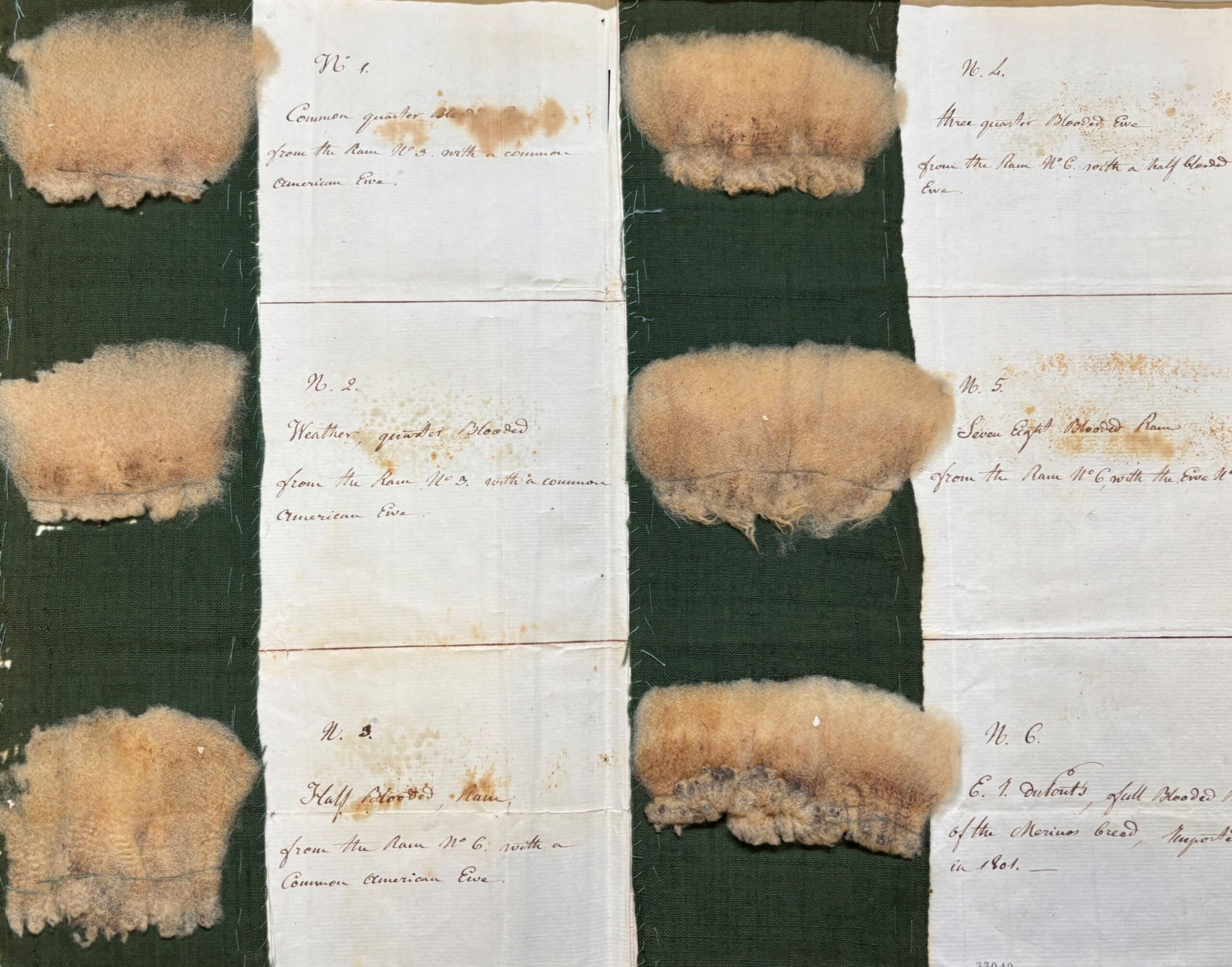
On that note, I'll let you go.
Thanks, as always, for your readership and your support.
Until next time,
Clara

The Wool Channel Newsletter
Join the newsletter to receive the latest updates in your inbox.