
The Wool Wire | October 16, 2026
Good growth in the global wool market, wool adventure clothes on the rise, Scotland's wool travel boom, a hot water bottle cozy, an update from Lesotho, and a nanoparticle breakthrough


News snippets from the wool world
Hello, my friends!
It's a gorgeous October afternoon here in New England, the autumn leaves are at their peak, and the New York Sheep and Wool Festival is this weekend. To paraphrase the poet Robert Browning, all's right with the world—the wool world, anyway.
According to one report, the global wool market is set to grow from $8.56 billion in 2025 to $9.13 billion this year. The report cites "growth in traditional wool textile production, rising demand for winter wear, widespread use of wool in blankets and interior textiles, expansion of sheep farming," and "increased acceptance of natural fibers" as the causes.
To be fair, there's nothing really new or groundbreaking in that list of reasons. But it's always encouraging when the line in wool's growth chart slants upwards—in this case by 6.7%.
Wool Returns to Nature
According to another report from the same firm, a big chunk of that growth is in the Merino travel apparel market, which is projected to swell to $1.6 billion this year. I'd argue that pretty much all wool is ideally suited for travel, but it looks like they're primarily referring to adventure travel, the kind that involves trekking and rafting and scaling mountains and sleeping in tents in remote villages.
If you can only bring four articles of clothing in your bag, and they all have to breathe and squish and stay clean and keep you from getting hypothermia, wool definitely ticks all the boxes.
"Additionally, traditional dependence on synthetic travel apparel alternatives has shifted, reinforcing this upward trend."
As far as I'm concerned, the less plastic on people enjoying the great outdoors, the better.
Have Wool, Will Travel
I've spent decades of my life traveling in pursuit of wool, even writing several books about those travels. I suspect you've had your fair share of adventures too.
Now, it warms my heart to report that more newcomers are discovering the joys of planning their trips around wool. In the case of this article, the focus is on the boom in wool travel in Scotland.
However, as the Knitter's Review calendar has tracked for more than 15 years now, the possibilities for wool-related travel around the world have never been greater. We just published the beginnings of 2027 and will continue verifying dates throughout the year.
Getting Cozy
And for those of us wool-lovers whose idea of adventure travel involves something closer to home, perhaps a new pair of socks or a plump wool pillow, I have just the thing.
Check out this shearling hot water bottle cozy.
 TOAST
TOAST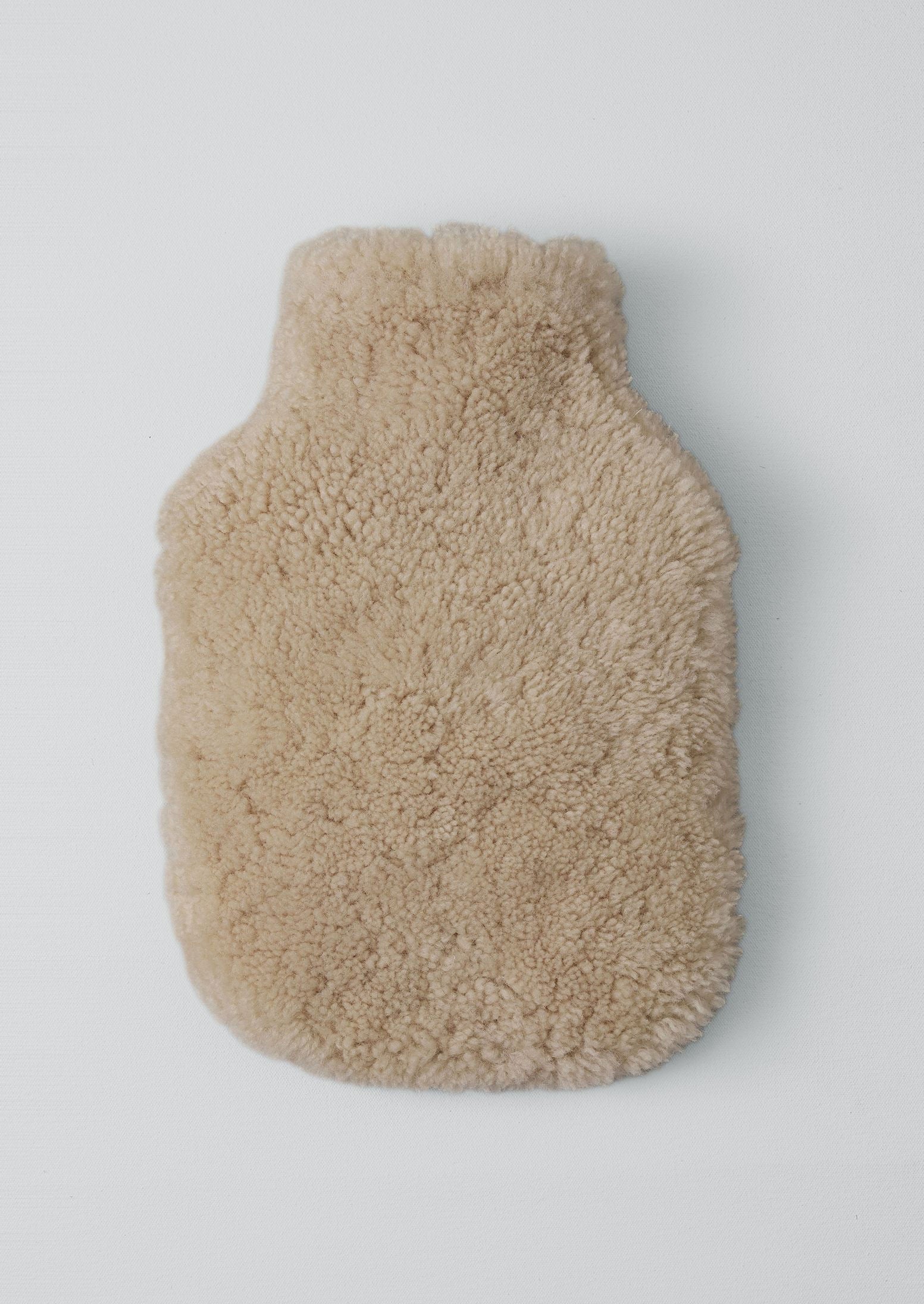
At $110 US, it's not exactly a bargain. Then again, with the skyrocketing costs of heating fuel, this could help you keep the thermostat down while staying cozy this winter.
Speaking for Southern Africa
We don't talk about the wool market in Southern Africa nearly enough—despite the fact that South Africa and Lesotho (the landlocked nation South Africa surrounds) regularly rank among the top six finewool producers in the world.
This article highlights some of the challenges faced by Lesotho finewool farmers—specifically with communal grazing. I was fascinated to read how one man stepped outside the system and went independent, with good results.
 Aletta Pretorius - Chief Editor
Even More Uses for Wool
We're donning the lab coats for this last story. It has to do with keratin—or, rather, with what's left behind after the keratin has been extracted from wool.
As it turns out, this "waste" material shows great promise as a reinforcement for silica aerogels, making these already-prized superinsulators stronger and dust-free.
What are silica aerogels, you ask? According to this article in Chemical and Engineering News:
Silica aerogels are among the lightest and most-insulating materials in the world. Made of ultraporous 3D networks of silica nanoparticles, they are mostly air. This airiness helps aerogels block heat flow from electric vehicle batteries and industrial pipelines.
However, those particles release harmful nanoparticles during use, and they're often reinforced with glass or ceramic fibers.
Wool to the rescue!
Researchers have now strengthened aerogels with keratin-rich wool and feather waste. The waste-based aerogels withstand temperatures up to 500°C and don’t shed hazardous silica dust, as conventional aerogels do.
And there you have it, more geeky wins for wool.
On that note, I'll let you go.
Thanks, as always, for your readership and your support.
Until next time,
Clara

The Wool Channel Newsletter
Join the newsletter to receive the latest updates in your inbox.