
The Wool Wire | October 29, 2026
Chellie Pingree touts wool, life in the shearing shed, new passport for wool, putting the lamb in Lamborghini, and a tour of Frankenmuth wool mill


News snippets from the wool world
Hello, my friends,
It's always helpful to have a wool advocate in high places—and here in Maine, that advocate would have to be Congresswoman Chellie Pingree. Once a sheep farmer and owner of a knitwear design business, Pingree is currently serving her ninth term and running for a tenth.
She helped form the Slow Fashion Caucus in 2024. And earlier this week, she paid a visit to Nanne Kennedy at Meadowcroft Farm. (Watch and read the News Center Maine story.)
“Maine is a hotbed of wool activity and used to be really a sheep farming state. So, while some states make cotton, some states make linen, hemp. We're really interested in the wool here.”
At a roundtable, Pingree collected feedback on the kinds of programs that work best for sustainable farmers—and promised to push for new Department of Agriculture grants for equipment and other costs for sustainable fiber entrepreneurs, should she return to Washington.
Hear hear!
Putting the lamb back in Lamborghini
While I did zoom around San Diego in a Maserati once (long story), I've never set foot, hand, or derrière inside a Lamborghini. Nor do I imagine ever having an opportunity (or desire) to do so.
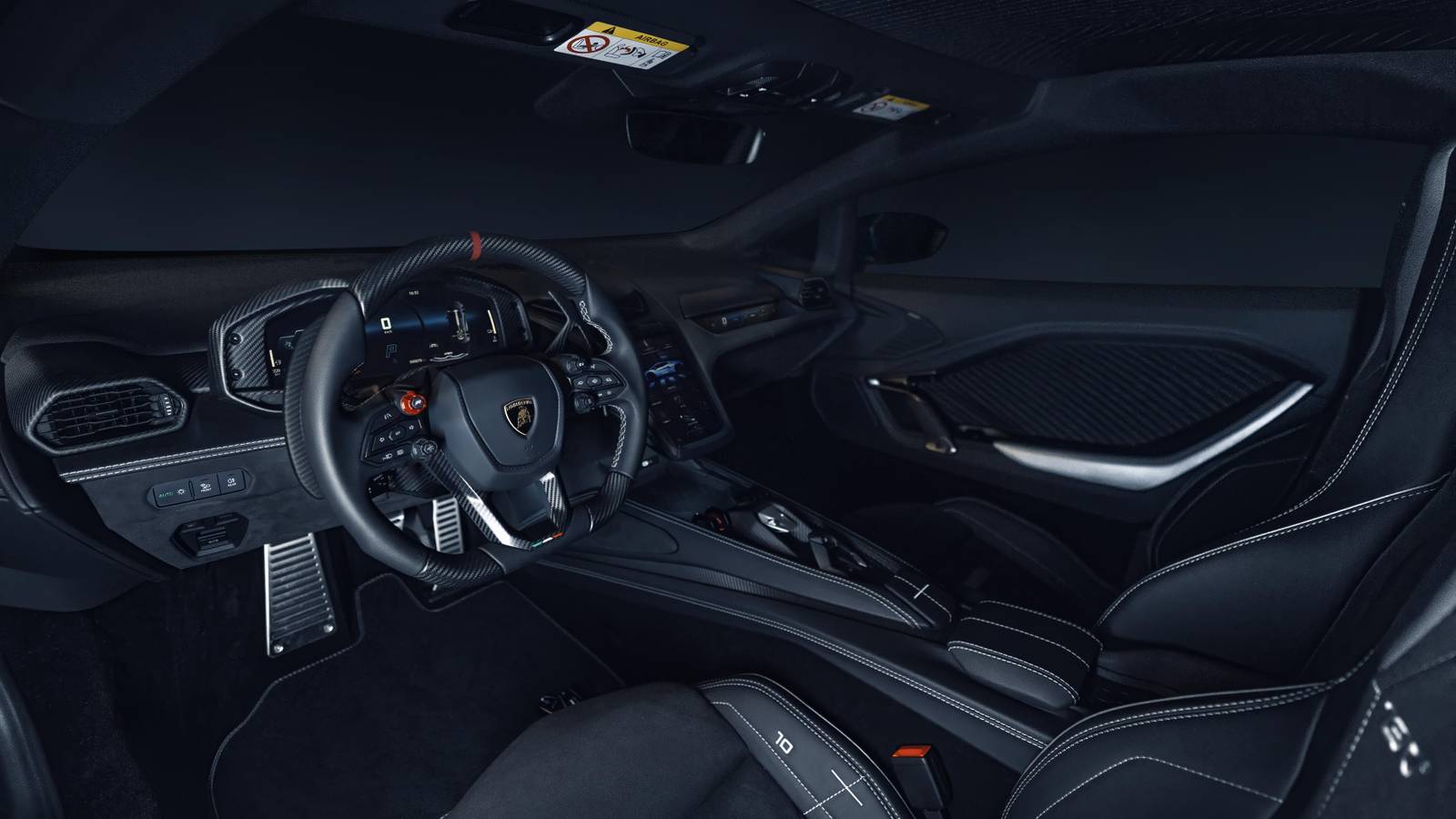
But I am intrigued by this first piece of news. Lamborghini has unveiled a pair of its Temerario Ad Personam cars with custom seats featuring, drumroll please, wool fabric inserts and matching leatherwork.
Lamborghini calls the material "Gessato," the Italian word for pinstripe. It's woven from virgin wool, with a black base crossed by a silver pinstripe. Instead of running in the clean, continuous lines you'd see on a suit, the pattern breaks up on purpose. Lamborghini said the effect is meant to echo the sharp surfaces and constant motion built into the Temerario's exterior design.
So far only two such cars exist, but who knows? Maybe more will follow suit.
I'm not crazy about the idea of any car costing half a million dollars—but I do love the idea of wool finding its way inside one.
 Carl Anthony
Life in the Shearing Shed
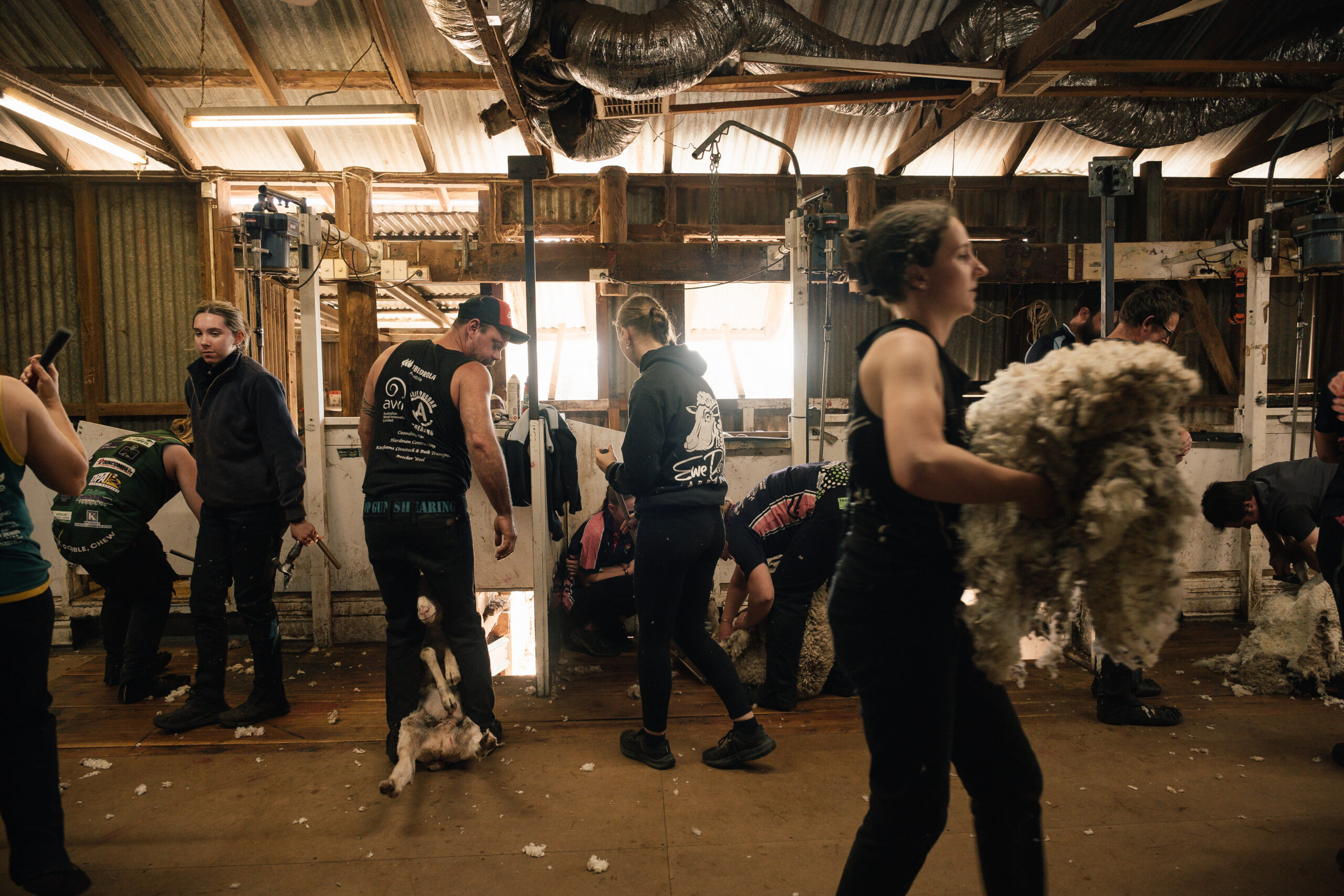
When you're ready for a long read, you can savor this beautiful, thoroughly researched piece that starts at the New South Wales Sports Shear Championships and slowly zooms out to the big picture of wool today. This being Australian Geographic, the photos alone are absolutely worth a click.
I was especially fascinated to read about how Parkdale, a huge family operation with 20,000 Merino sheep, successfully eliminated the need for mulesing or any sort of chemical treatment for flystrike. For them, the key was in the breeding. Australia is the only country where mulesing is still practiced. If Parkdale can do it, may others follow suit.
The battle for the wardrobe is alive. But much of that market opportunity depends on the industry being able to back its sustainability claims with what actually happens on the farm. And here, change is also underway.
 Adam Scroggy
Passports for Bales
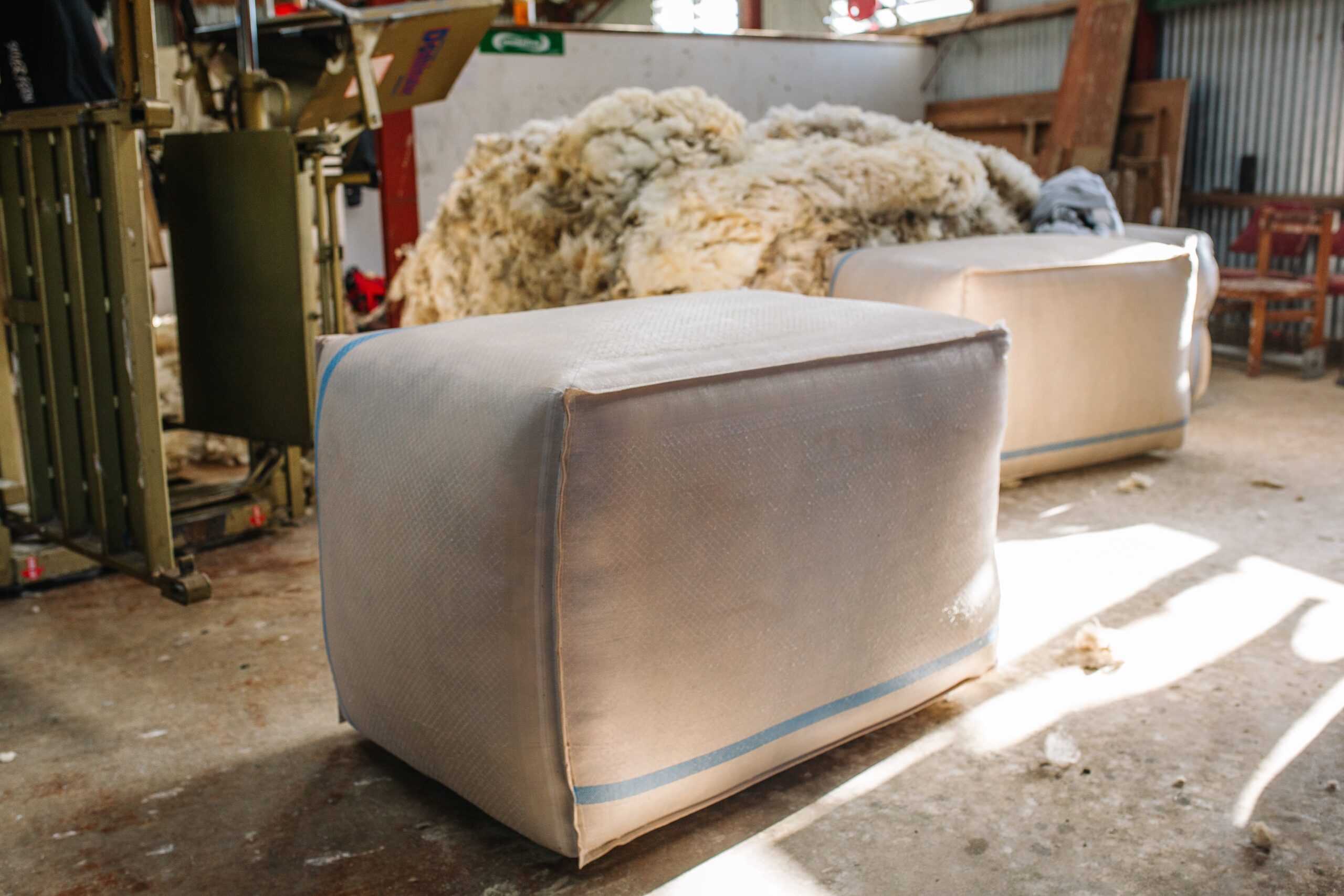
That last quote leads us directly to this next piece about how, in New Zealand, a new traceability software package called WoolPass will allow insight into every step of production—which could give teeth to sustainability claims.
Besides tracking every time a bale changes hands, Bransgrove said, they have developed a way to track bales in the spaces in between change of hands. The proof of concept stage of WoolPass is complete and the developers are now looking at a minimum viable product for it to launch.
If this manages to take off, it could be a powerful tool at a time when the market is demanding transparency. Plus, if you made this data available to customers, it could be a helpful educational tool.
 Gerhard Uys
Inside a Michigan Institution
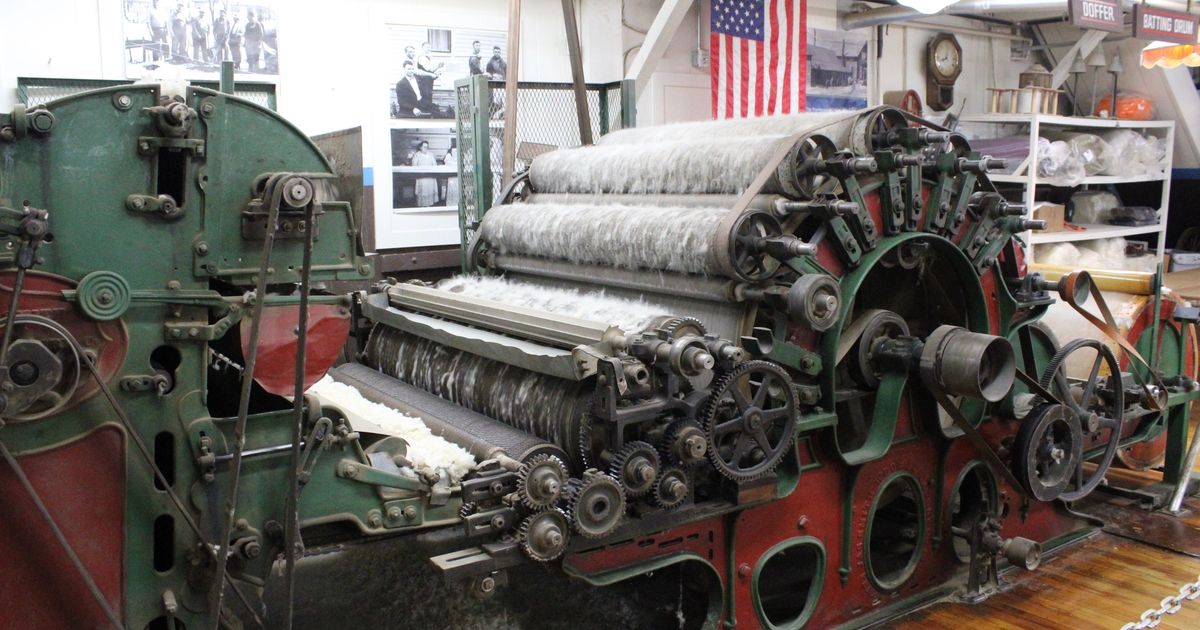
And finally, we travel to Michigan to tour a mill that's been operating for more than a century. The legendary Frankenmuth Woolen Mill no longer provides custom wool processing for knitters and spinners. But it has found a much bigger sweet spot making wool comforters, pillows, and mattress toppers—all done by hand right there in Michigan.
...their process itself remains surprisingly old-fashioned. They still wash the wool in giant tubs, tie every comforter by hand, and rely on the same attention to detail that's defined the mill for more than 130 years.
Perhaps it's time for a new pillow?
 Lottie Moorehouse
On that note, I'll let you go.
Thanks, as always, for your readership and your support.
Until next time,
Clara

The Wool Channel Newsletter
Join the newsletter to receive the latest updates in your inbox.