
January 8, 2026 | The Wool Wire
Our new shearing shero, styling the triangle, stinky blends, snow washing, and how to use awe for good


News snippets from the wool world
Hello, my friends!
Despite a brief thaw a few days ago, we're still in the grip of winter here in Maine. I took the opportunity to unfurl my favorite wool throw during a snow storm last week to let Mother Nature work her cleaning magic.
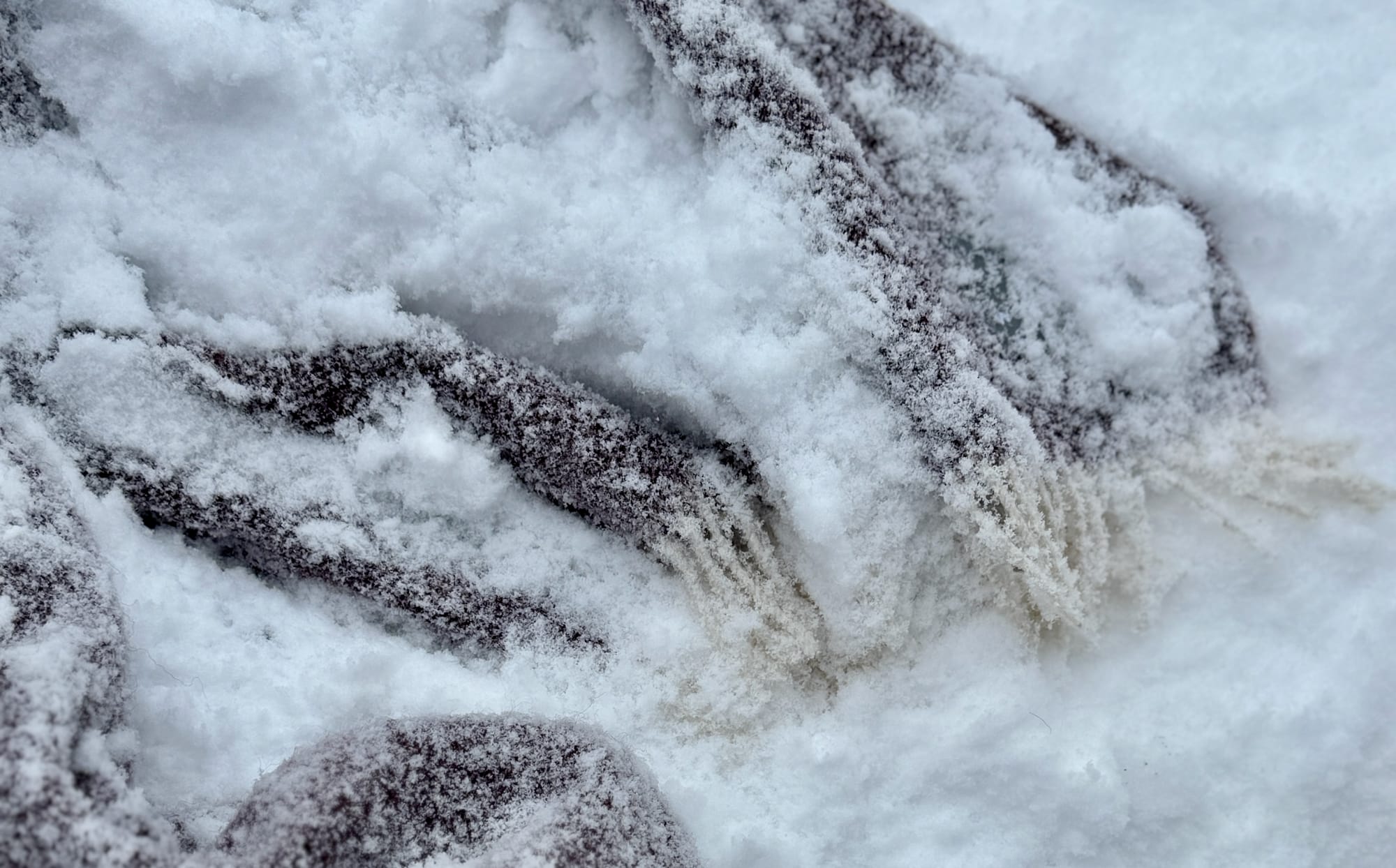
Someone recently asked if snow-washing really got "the B.O. smell" out of clothes, and I had to stop and think for a minute. Pure wool shouldn't hold onto body odors. That's part of its magic. In the rare cases where there is a hint of smell, an overnight airing should do the trick.
Those fragrant whiffs are more likely to be encountered in clothes that are not 100% wool but, instead, contain a hefty blend of synthetic fibers. Those are the ones whose inability to breathe creates an ideal environment for bacterial growth that produces odor.
I'm not letting wool off the hook here. But generally speaking, snow washing might not be the best technique for cleaning items containing petroleum-derived fibers, which can't breathe and shed oils and dirt like protein fibers do. There's more to scrub.
In this age of toss-it-in-the-machine-and-forget-about-it expectations, people have to un-learn the myth that wool is hard to care for. This piece in Martha Stewart highlights key wool-washing points that you probably already know—but for a mainstream audience, these kinds of articles are helpful for demystifying wool care.
 Editorial Guidelines
The trendy triangle continues
The phenomenon of the simple triangular hand-knitted Sophie Scarf shows no signs of slowing. In fact, the pattern is now available in 16 languages including Czech, Polish, and Korean. It would be impossible to quantify the number of new knitters brought into the fold via this pattern.
What better way to woo the uninitiated than by getting them a ready-made scarf first? And here's a story from Cosmopolitan about precisely that. It details where you can find several kinds of ready-made triangle scarves, with bonus tips on how to style them.
"Most commonly crafted out of wool or knitted fabrics, they're perfect for combating the chill without leaving you a sweaty mess on crowded commutes to work."
 Alexandria Dale
She's a sheep-shearing shero
I love this next story. Australia's 38-year-old Nikki Lyons has set a new world record after shearing a whopping 502 merino lambs in a single day—technically over 12 hours, nine solid hours of which were spent bent over a lamb giving it the cleanest, swiftest haircut of its life.
Lyons returned to shearing just a few years ago after a decade away to work on raising her family.
"I'm proud that I kept a promise to my 17-year-old self and that as a woman, I still got back up and did something after having children," she said.
Last year, she set the women's record shearing 395 Merino lambs in eight hours—but that record was broken one month later. This time, she successfully tackled something no woman has attempted before.
Way to go!
 Angus Verley and Warwick Long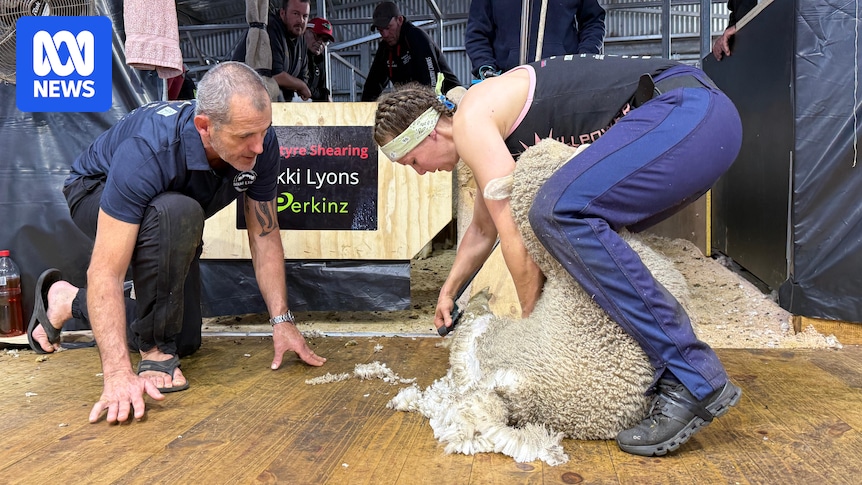
Mighty Manitoba
At the beginning of this year in the Foundation Flock Talk Talk, I shared a few of my predictions for 2026—one of which was the continued growth of regional fiber systems. What's happening in Manitoba, spearheaded by Long Way Homestead's Anna Hunter, is a perfect example.
 Matthew Frank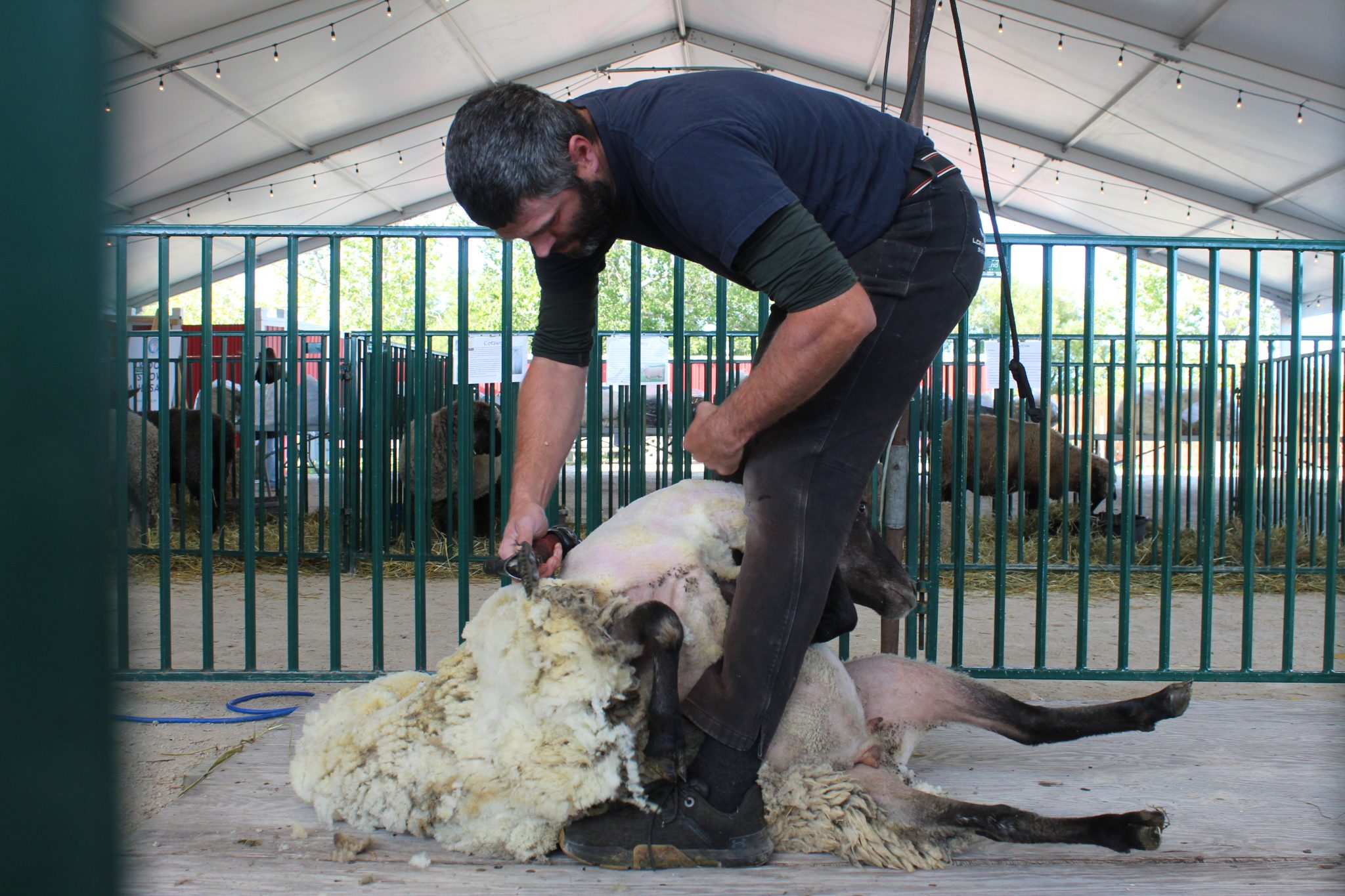
Nature's Wow Factor May Curb Fast Fashion
I'm of two minds about this last story. It's about a University of Auckland marketing study published in the Journal of Business Research last November.
... the study suggests awe makes people more future-focused and sustainability-minded, leading them to 'buy less, buy premium' such as choosing a durable, well-made item instead of several cheaper ones.
On the one hand, it makes my skin crawl to see people study how they can manipulate human emotions to inspire greater sales. But the results are still fascinating.
After shown videos of nature intended to inspire a sense of awe, participants in the study became far more likely to purchase one high-end product instead of several cheap ones. The study concluded that, when set within a deeper context of storytelling that places the natural world at the center, consumers may be more likely to invest in fewer, high-end products than continuing to amass junk clothes.
It's powerful proof that nature does impact our psyche—and that fast fashion's creep is not inevitable. We still hold the power to slow it down and re-clothe our world in natural fibers.
On that note, I'll let you go.
Thanks, as always, for your readership and your support.
Until next time,
Clara

The Wool Channel Newsletter
Join the newsletter to receive the latest updates in your inbox.


