The Wool Wire | March 6, 2026
Last call for snow washing, Nordic countries say no to wool waste, Vermont sheep farmers adapt to climate change, Armenia builds its wooly future, and a Czech animation legend who found her pace with wool.


News snippets from the wool world
Hello, my friends,
I realize that many of you have yet to see a single flake of snow this winter. But even here in snow-heavy Maine, we're probably one good snowfall away from the end of snow-washing season. Not that the snow will be gone, but the warmer weather makes it heavier and wetter than is ideal for laundering woolens.
So let's give a few more salutes to all the media coverage that snow washing has gotten this year. This technique is especially ideal for large and somewhat cumbersome things you couldn't easily wash any other way. House Beautiful did a fine piece on the merits of using snow to keep your old wool rugs clean.
 Shelby Deering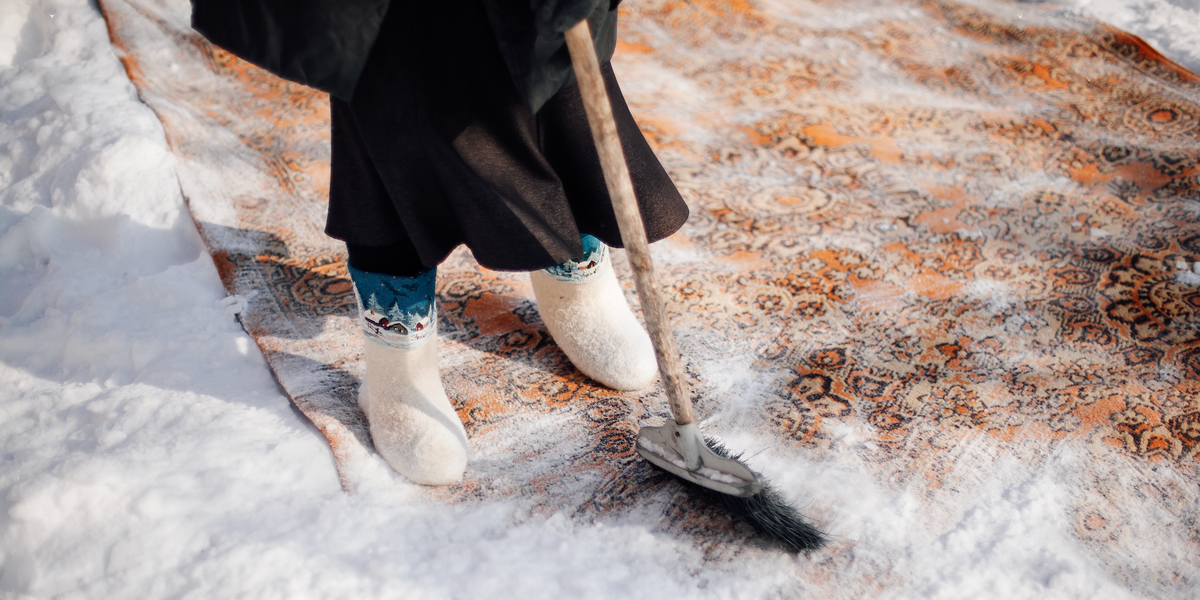
And then last week NYT/Wirecutter got into the game. It was fun to see the author Andrea Barnes give the standard Wirecutter product-review approach to an ancient technique that costs absolutely nothing and provides zero affiliate income for the publication.
After initial skepticism that this was nothing more than a viral cleaning hack, Barnes came out a convert.
Nordic countries say no to wool waste
I'm pleased to see a regional wool awareness continue to build around the world. Most recently, Nordic countries have been doing the math. Denmark, Finland, Iceland, Norway, and Sweden collectively produce some 5,900 tons of raw wool every year.
And yet, according to a Feasibility Study for a Nordic Circular Wool Value Chain, approximately 2,400 tons of that wool is destroyed—at an estimated annual loss of €120 million. Meanwhile manufacturers must import sizable amounts of wool from elsewhere.
The Nordic Wool Initiative was tasked with identifying the roots of this mismatch and proposing a new path forward that better plugs the hole in the domestic wool supply chain.
If reading the full report isn't your cup of tea, you can also peruse this helpful summary (link below). Many of the issues identified in the report are similar to what Canada and the United States and other countries are facing—making the report a helpful roadmap for us all.

Learning to swing with climate swings
A healthy regional wool initiative requires healthy sheep and well-managed land—two things that are increasingly challenged by climate change. I was inspired by this article from The North Star Monthly, which detailed the specific climate-related issues facing sheep farmers in Vermont and the ways in which everyone is adapting.
You'll see some familiar names quoted in the piece, including Tammy White from Wing and a Prayer Farm.
Armenia builds upon its vision for a sheep-fueled future
Meanwhile, Armenia is making inroads into its regional wool revival after hosting the first Arm.Wool forum at the end of November.
“This is not about preserving the past in isolation,” said Robert Meeder, Lead Consultant to Arm.wool and Founder of TIFC. “It is about designing a future-ready system where heritage, climate responsibility, and technology work together. Arm.wool creates a blueprint that other countries can learn from.”
More than 250 people from all walks of wool were in attendance, from farmers and artisans to students, investors, and one of my favorite textile heritage advocates, London Cloth Company's Daniel Harris.
 Ani Mkrtchyan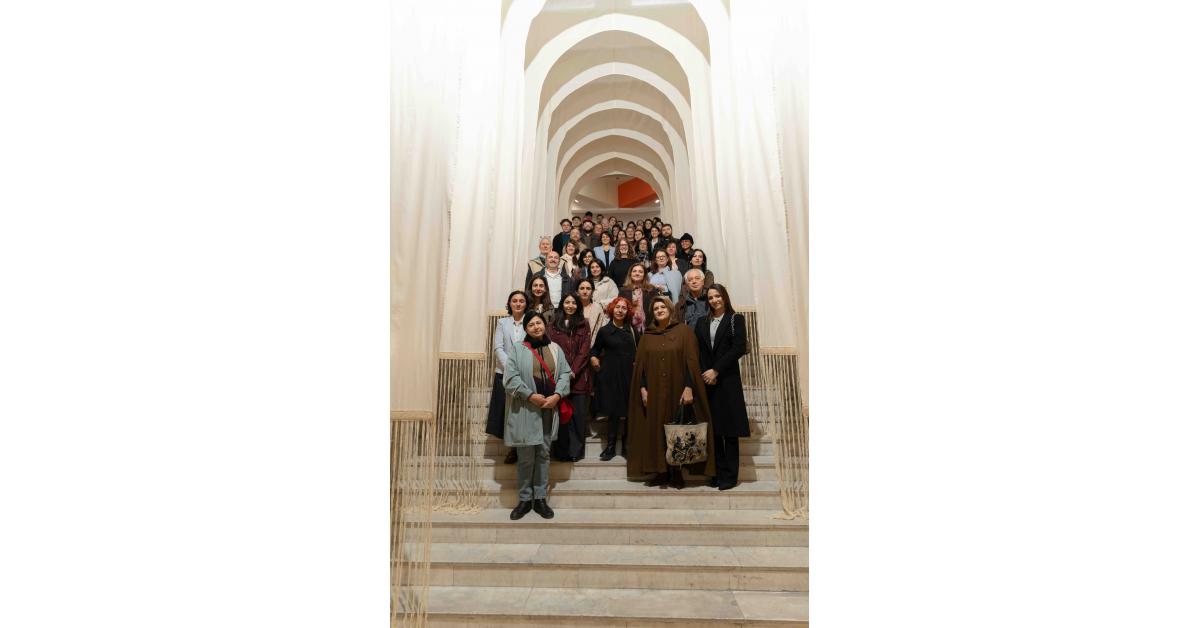
Storytelling with wool
And finally, I wanted to share something we enjoyed during the most recent Flock Talk livestream, which takes place on the last day of every month with members of the Foundation Flock—whose support makes everything you see here possible. (It's easy to join if you aren't yet a member.)
For this we must travel back in time. We're in 1964 Czechoslovakia, where animator Hermína Týrlová (often called the mother of Czech animation) has fallen in love with the creative potential of wool as a medium for storytelling.
Make yourself a cup of tea and enjoy Vlněná pohádka, or, fittingly, Woollen Story.


By the time she did this piece, she'd been a successful animator for 40 years. I like to think it wasn't until she discovered wool that she really hit her stride.
On that note, I'll let you go.
Thanks, as always, for your readership and your support.
Until next time, take good care of yourself and each other,
Clara

The Wool Channel Newsletter
Join the newsletter to receive the latest updates in your inbox.