
The Wool Wire | April 2, 2026
How oil prices might play out in our wool world. Plus, navigating mountains of textiles junk in Ghana, mandatory disposal fees in Germany, recycling in the Netherlands, wool air filters and reinforced concrete, and recognizing wool from the North York Moors.


News snippets from the wool world
Hello, my friends,
What a time to be following the wool trail. In the last month, oil prices have spiked by 46% after our administration launched a war in the Middle East. In textiles terms, roughly 70 million barrels of oil go into polyester production each year—and a huge share of the petroleum feedstock for polyester comes from Middle Eastern crude that transits the Strait of Hormuz. Which is currently closed.
Does this mean eventual higher prices for fabrics used in cheap, fast fashion? Time will tell. Unfortunately, the Strait of Hormuz is also a chokepoint for roughly one-third of the world's internationally traded fertilizer. But here, sheep farmers may be at a slight advantage. They most often supplement their flocks with alfalfa hay, whose fertilizer cost is minimal. Alfalfa is, itself, a nitrogen-fixing legume.
However, there's no getting around the increased fuel costs that will hurt most farms' already tight margins. Farm equipment requires fuel. Same for transporting fleece to the scouring plant, transporting wool to the mill, transporting fibers to the manufacturer, transporting finished goods to the store—and transporting those goods home.
Still, I'm left with this question: If polyester prices rise, could that ultimately shift textiles buyers back to wool? We shall see.
From trash to trash
At the moment, we still have to grapple with the mountains of junk clothing sitting in landfills, with more being dumped every hour. Ghana is a major dumping ground for global clothing rejects. Textile Exchange has put together a six-minute video showing just what happens to the clothing once it reaches their shores.
Germany considering placing a toll on textiles junk
The ultimate goal should be for consumers to stop overbuying cheap imported clothes and getting rid of it after two wears. But until we get there, governments can introduce legislation that helps tip the scale.
In Germany, the government is weighing a mandatory disposal fee for fast fashion imports.
Textile producers in Germany may soon be required to contribute financially to the disposal of used clothing, as the government seeks to address mounting waste from fast fashion imports.
Recycling gets a boost in the Netherlands
The French textile recycling company Reju has been awarded €135m in funding from the Dutch government for its planned recycling plant at Chemelot Industrial Park in the Netherlands.
The funding will support Reju’s planned industrial-scale Regeneration Hub at Chemelot Industrial Park in Sittard-Geleen, covering both the investment phase and ongoing operations, and represents a critical milestone on the path toward final investment decision.
Ironically, Reju is led by the former CEO of Under Armour—an extremely polyester-dependent brand. Perhaps this is his way of helping clean up their mess?
Celebrating Women's Innovation in Wool
Last year I told you about a pair of students whose work on wool-strengthened concrete won them second place at Ireland's prestigious Young Scientists & Technology competition. Well, guess what?
Ursuline students Aoife Fadian and Jessica O’Connor expanded upon that work and returned to the competition for a second year. And this time, their project, Sheep Strength II: Using Sheep Wool to Reinforce Concrete, won not one but two awards. They won the Best Group and The Speed Fibre Group Connected Horizons Award.
 Paul Deering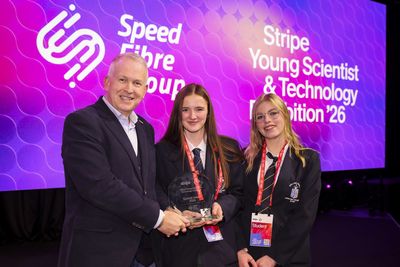
Bravo! This is a win for wool innovation and women in science.
Breathe cleaner thanks to wool
Another frontier in wool innovation is the humble air filter. In fact, a wool-based filter from New Zealand's Lanaco is currently orbiting the earth inside the Artemis II spacecraft.
For those of us who aren't astronauts, there's some exciting news from Havelock Wool: You'll soon be able to get wool-based HVAC filters at home.
This marks the first time EcoStatic® technology, a world-leading wool-based filtration media, has been incorporated into a USA-made furnace filter, offering homeowners a powerful, nature-based solution to indoor air pollution and rising energy costs.
If you consider that the average homeowner replaces their HVAC filters four times a year, that's a lot of fiberglass waste that can be replaced by a recyclable, biodegradable, far cleaner material.
"We aren’t just selling a filter; we’re offering a way to make homes healthier and more efficient using a resource that grows on grass and sunshine. This is a monumental step in our quest to play a meaningful role in the development of healthy homes."
Best of all, it requires no retooling of existing equipment. You just pop in a new filter and breathe easy.
North York Moors
Finally, let's celebrate another regional wool movement. This one is in the North York Moors, an upland area and national park in North Yorkshire. Inspired by the work of Lake District Tweed, fourth-generation farmer Emma Boocock has established North York Moors Tweed.
Designed to revive that county's wool heritage, the project will produce high-quality tweeds and throws with wool purchased from local producers at above market rates, milled and woven in the area. Her ultimate goal is to "restore the value to wool".
North York Moors Tweed will use the fibre from farms in the national park to create tweeds inspired by the landscape, sharing the profit between contributors.
It's small and just one story, but what a powerful example of what one person can do to change the tides of wool. She's building a local business from a local supply chain, and she's sharing the profit with growers.

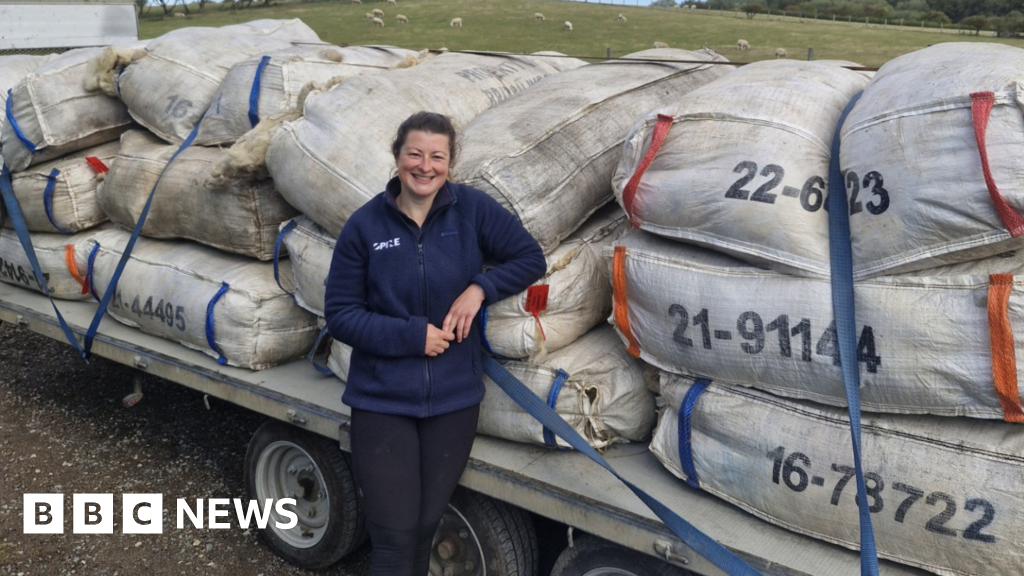
Let this be a reminder that each of us can, indeed, make a difference.
On that note, I'll let you go.
Thanks, as always, for your readership and your support.
Until next time,
Clara

The Wool Channel Newsletter
Join the newsletter to receive the latest updates in your inbox.


