The Wool Wire | December 19, 2025
The Sheep Detectives trailer, V&A goes ASMR, handmade woolen dolls, wool yoga mats, and more microplastics from recycled polyester.


News snippets from the wool world
Hello, my friends,
For a while, now, I've been wondering how they'd translate Leonie Swann's Three Bags Full into a major motion picture. We knew Hugh Jackman and Emma Thompson were starring in it—but how, exactly? Would they provide voiceovers for animated sheep? Or, if they remained human, how would the directors animate the sheep? We mulled this in our Foundation Flock reading group earlier this month but nobody knew for sure.
At long last, we have our answer! Presenting the trailer to The Sheep Detectives.
As you'll see, the film varies from the book in a few subtle ways...but I'm all for it. This looks like just what we need.
A glove story
If you'd rather watch real wool come to life, the Victoria and Albert Museum has released an ASMR-rich, 90-minute video of Laurence Wen-Yu Li knitting a pair of authentic 1940s gloves using a free vintage knitting pattern from the V&A archive.
Hello, Doll(y)!
In other wool news, I've just discovered a company in Maine that makes adorable heirloom dolls out of 100% Australian Merino fabric—complete with ridiculously charming clothing. Meet Woolgrass Farm.

Strike a pose
I have many pet peeves about things made with potentially toxic chemicals that could be made with wool. But one of my biggest peeves is yoga mats, which are often made with PVC and doused in phthalates, which have been linked to a host of health issues.
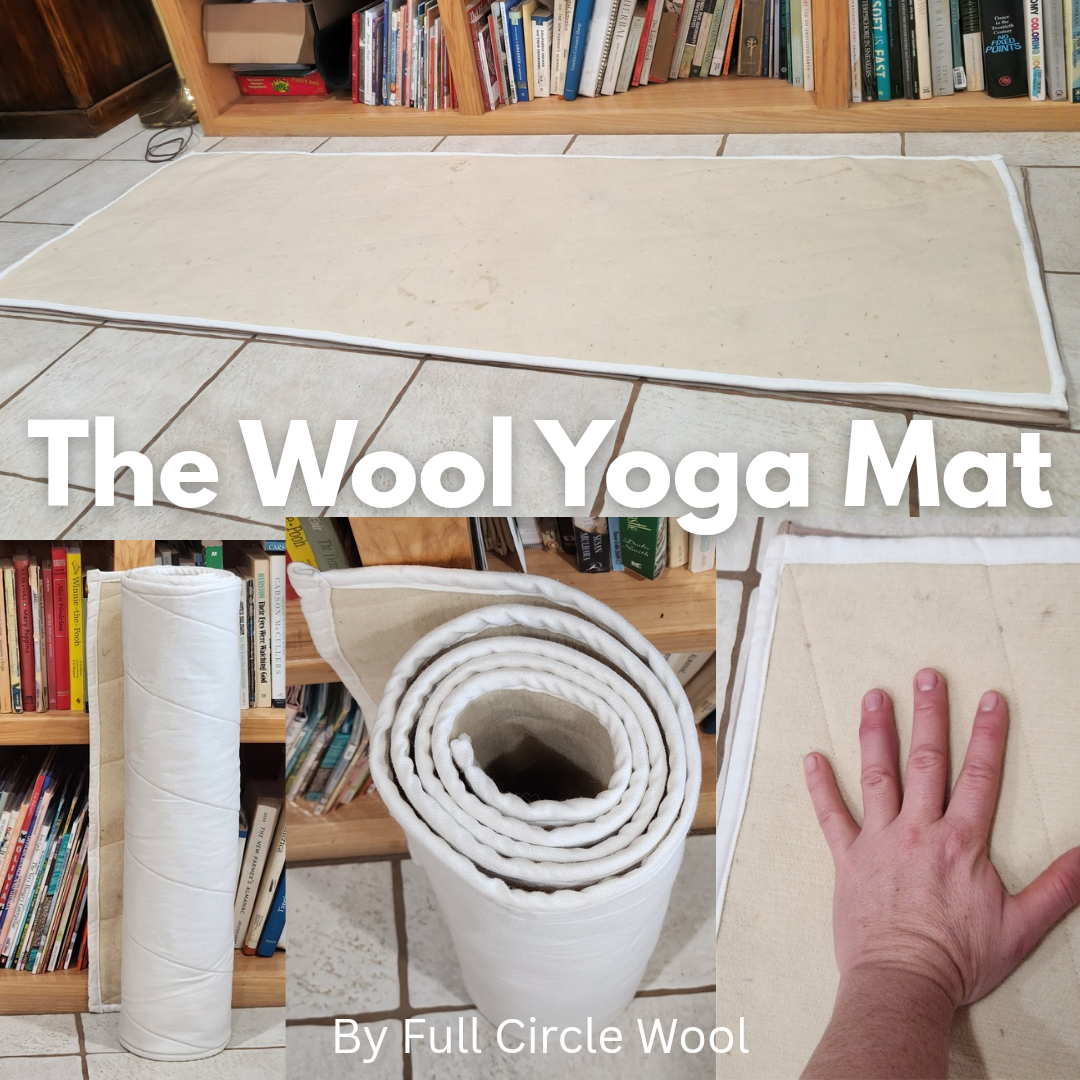
Which explains why I was so excited to learn that Full Circle Wool is putting a wool yoga mat into production! The mat features Climate Beneficial™ wool felt on one side and organic cotton fabric on the other. Production begins in January, and you can preorder now if you're interested.
More plastic means more microplastics
Since 2011, the Textile Exchange has been running a Recycled Polyester Challenge aimed at boosting use of recycled polyester to 45% and, ideally, all the way to 100%. (By "recycled" I mean polyester made from recycled plastics, most commonly from plastic bottles.)
Instead of encouraging the use of other materials (say, wool), the challenge simply encouraged signatories to stop using virgin petroleum and switch to polyester made from recycled sources. Signatories would also gain bragging rights for their noble pursuit of greener goals.
The challenge ends on December 31st, and only 27% of the signatories actually met their goals. As it turns out, this might be a good thing.
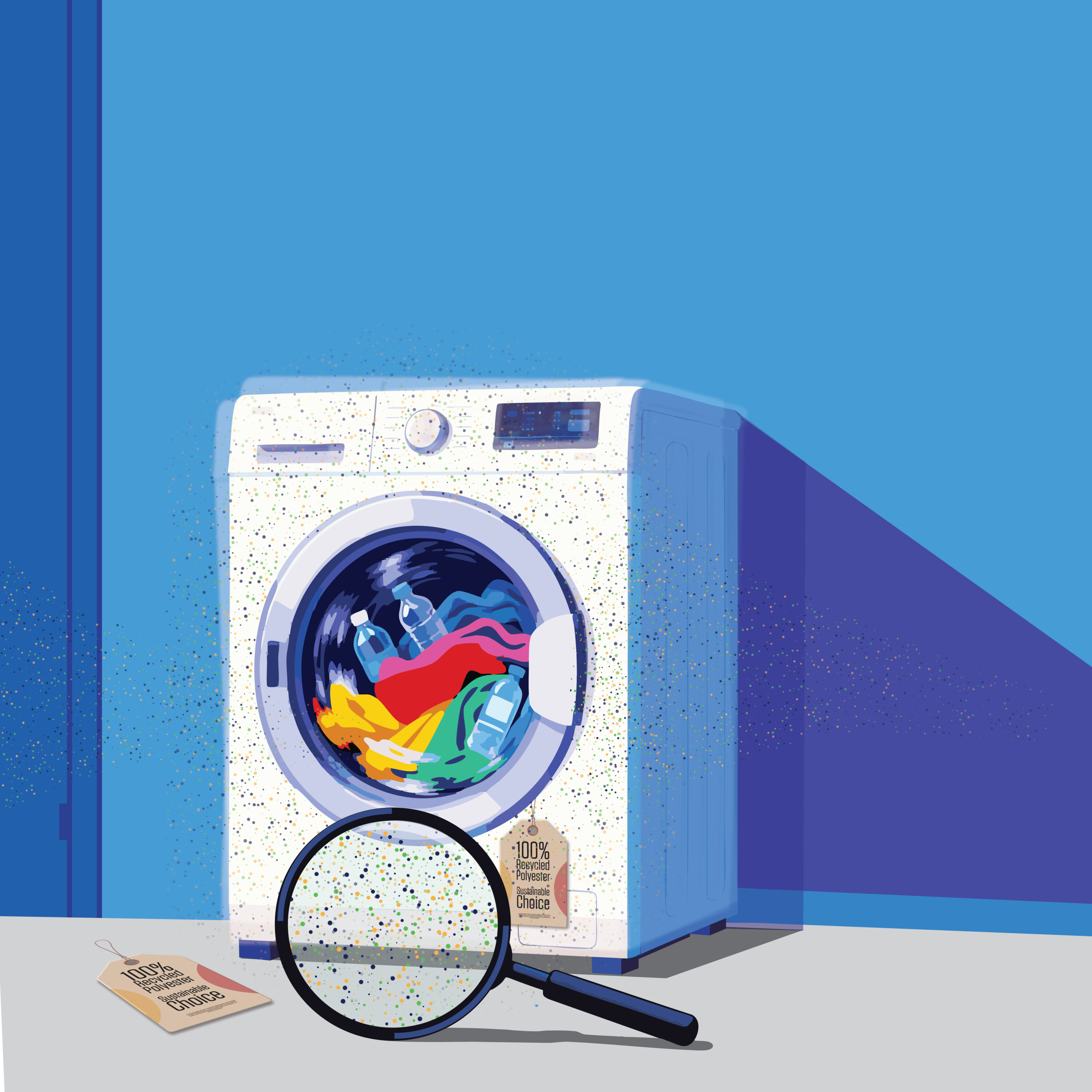
A new investigation by the Netherlands-based Changing Markets Foundation has found that polyester made from recycled plastic bottles releases up to 55% more microplastics into our water supply than their virgin polyester counterparts. And those particles were found to be 20% smaller, making them harder to filter and faster to disperse into the environment.
Yikes!
Because each fibre is a separate particle, it can be inhaled, ingested, transported through ecosystems, or carry harmful chemicals. Smaller fibres carry greater environmental and health risks — they travel further, penetrate deeper into lungs and tissues, and are more readily ingested by aquatic and soil organisms. A larger sample of 29 items testing for fibre mass loss (12 virgin polyester, 17 recycled) also indicated that recycled polyester lost 50% more mass than its virgin counterpart (0.36 vs 0.24 mg/g).
The study also uncovered some discrepancies between the lofty online claims of several high-profile brands and the actual fiber content listed on the garment labels—suggesting that much of what's being marketed as recycled is, in fact, not.
The Ecologist provides a helpful, broader analysis of the report.

Go small and stay home
Meanwhile, back in the real world of natural fibers produced by small businesses, here's an uplifting story about Vermont's nascent farm to closet movement—a movement that's building around the world. Well-written and researched, the article talks about wool but it also goes into other animal fibers as well as efforts to develop a thriving flax industry in the state.
 Mary Ann Lickteig, Suzanne Podhaizer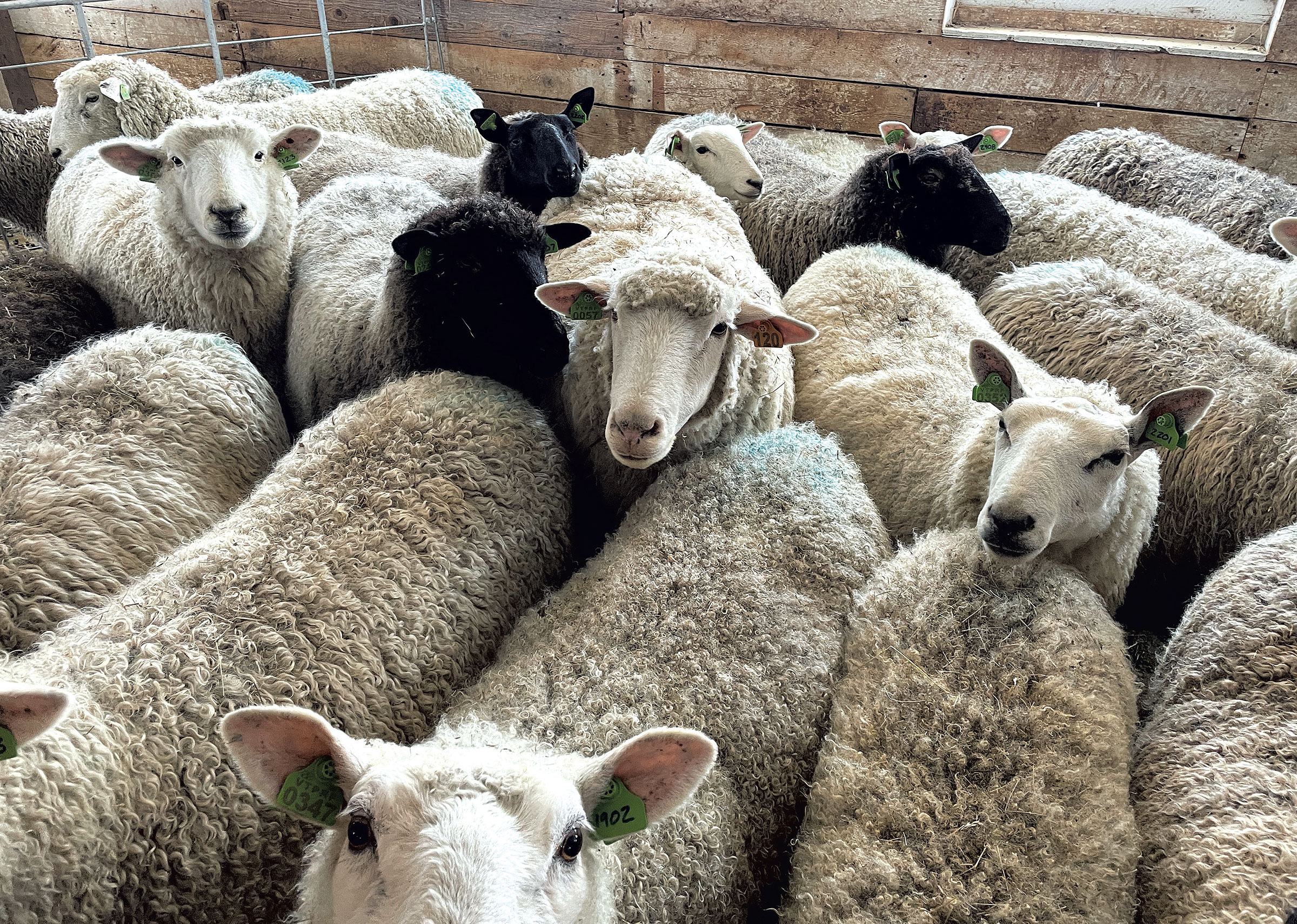
On that note, I'll let you go.
Thank you, as always, for your readership throughout this year. If you value the Wool Wire, you can support this work by joining the Foundation Flock.
Take good care of yourself, and I'll see you in 2026!
Clara
The Wool Channel Newsletter
Join the newsletter to receive the latest updates in your inbox.