
The Wool Wire | January 22, 2026
Beautiful Bosnian wool, the Merino market is on the rise, understanding a major breakthrough in blending cotton and wool, celebrating Saskatchewan's wool keepers, and making the most of snow

News snippets from the wool world
Hello, my wool friends,
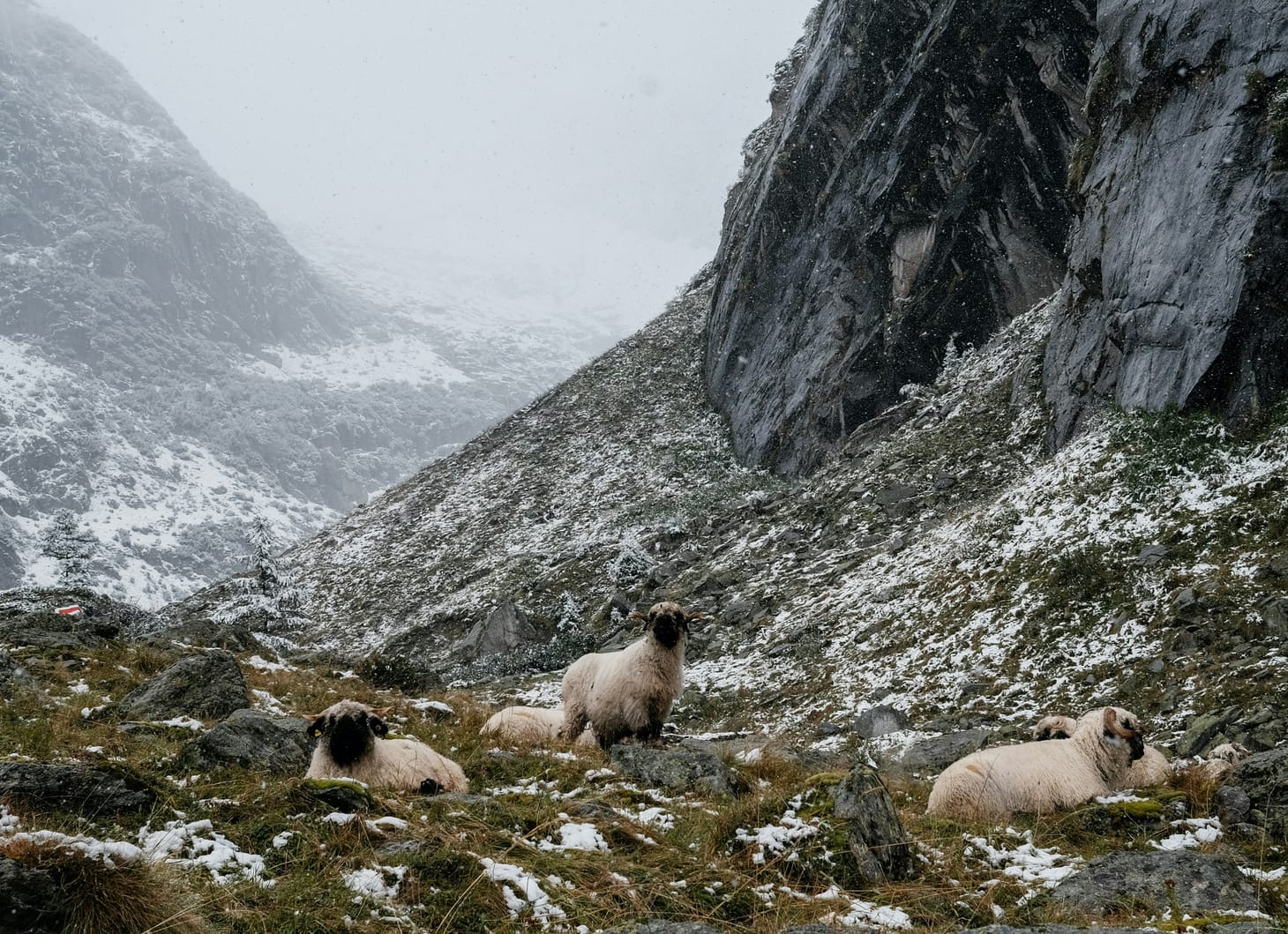
Here in Maine and much of the central and eastern United States, a major winter storm is predicted for this weekend. Where there's cold, there's wool. And where there's snow, as I know you know, there's an opportunity to get our wool clean.
I'm rather excited to see that snow-washing isn't just for us wool geeks. It even got a shout-out in The Weather Network, of all places.
 Cheryl Santa Maria
In praise of Pramenka
In our nod to regional wool movements around the world, let's not forget Bosnia and its Pramenka sheep.
In a world increasingly searching for sustainable solutions, one Bosnian company has found inspiration in a traditional yet often overlooked material – Pramenka sheep wool. Under the brand name ”Ministry of Wool– Wooling,” the company produces a unique line of biodegradable products such as facial sponges, shower gloves, towels and wool dryer balls.
I enjoyed this in-depth interview with the company's founder, Lejla Mandzuka.
Mighty Merino on the rise
The benchmark for global wool prices is Australia's Eastern Market Indicator, or EMI. And for the last few months, the EMI has been enjoying its strongest rally in decades.
The fibre’s market value, estimated at USD 34.9 billion in 2022, is projected to reach USD 63.2 billion by 2033, signalling structural growth rather than seasonal hype.
But why? It's part of a consumer-driven pivot back towards natural fibers. This article provides a helpful big picture.
 Don-Alvin Adegeest
Hooray for short fibers!
A South Australian company has developed a new technique for combining cotton with low-value short-staple wool fibers that could open huge new markets for wool. This ABC News Australia video does an excellent job of explaining why this is such a potentially big deal. As an added bonus, it also has some fabulous footage from inside Australia's last commercial scouring plant.
 Tim Lee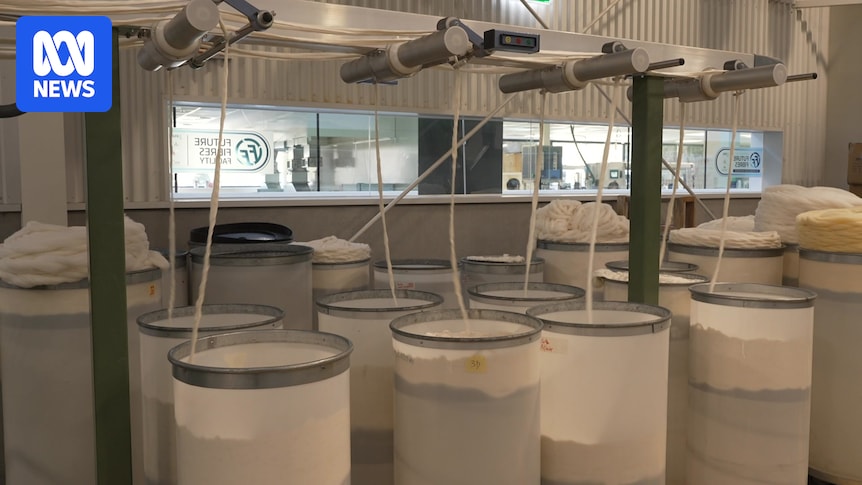
I'm still a fan of 100% wool. But I also know that wool and cotton make extremely good bedfellows. You get fabric that's stronger when wet (thanks, cotton!) while also wicking moisture and providing efficient thermoregulation (thanks, wool!). And because cotton costs less than wool, you can end up with a garment made from all natural fibers but at a more affordable price.
Now companies have fewer excuses for ditching the plastic and returning to all-natural fiber blends.
The skeins of Saskatchewan
If you can't make it to Saskatchewan, fear not, Campaign for Wool—Canada has brought Saskatchewan to us. Meet some of the hard-working humans keeping wool alive in Saskatchewan.
But wait! There's more! I loved this backgrounder on how the Saskatchewan bedding company Count Your Sheep came to be.
 Brittany Caffet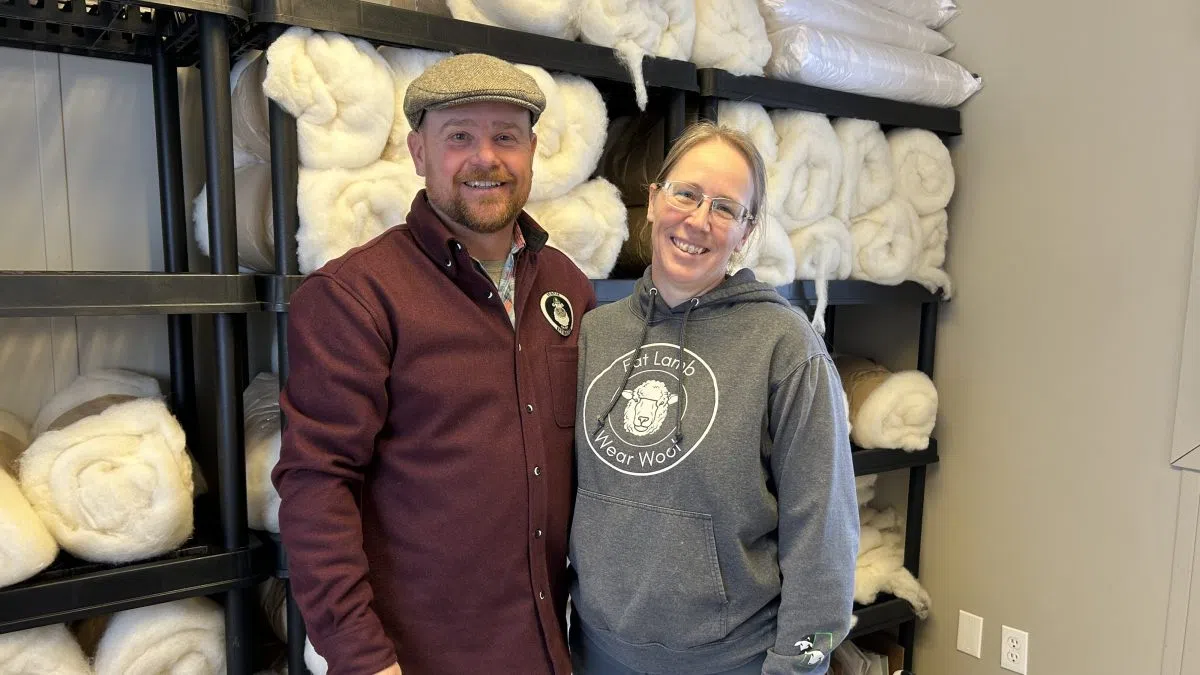
On that note, I'll let you go.
Thanks as always for your readership and your support.
Take care, stay warm, and look out for one another,
Clara

The Wool Channel Newsletter
Join the newsletter to receive the latest updates in your inbox.


