
The Wool Wire | September 11, 2025
A sheep a day keeps the dentist away. Plus gorgeous Indian storytelling, PETA silliness, confronting false advertising, debunking Nuyarn, and honoring a classy wool classer.


News snippets from the wool world
Hello, my friends!
We know that an apple a day keeps the doctor away, or at least that's what the rhyme tells us. But did you know that a sheep a day might keep the dentist away too?
In an exciting new study, researchers at King's College London have determined that the keratin in sheep's wool (and in human hair) might actually help our teeth rebuild enamel.
Reporting this week in the journal Advanced Healthcare Materials, the researchers said that when keratin mixes with the minerals found in saliva, such as calcium and phosphate, it forms a coating that mimics the structure of natural enamel and is comparable in strength.
In the study, keratin derived from sheep's wool was formed into a paste and applied to teeth. In a matter of weeks, researchers saw that the keratin served as a sort of scaffold on which minerals attached—and as they attached, they formed a new substance very similar to enamel.
In other words, keratin has the potential to repair damaged tooth enamel, stopping early signs of tooth decay in their tracks.
 Mark Johnson, The Detroit News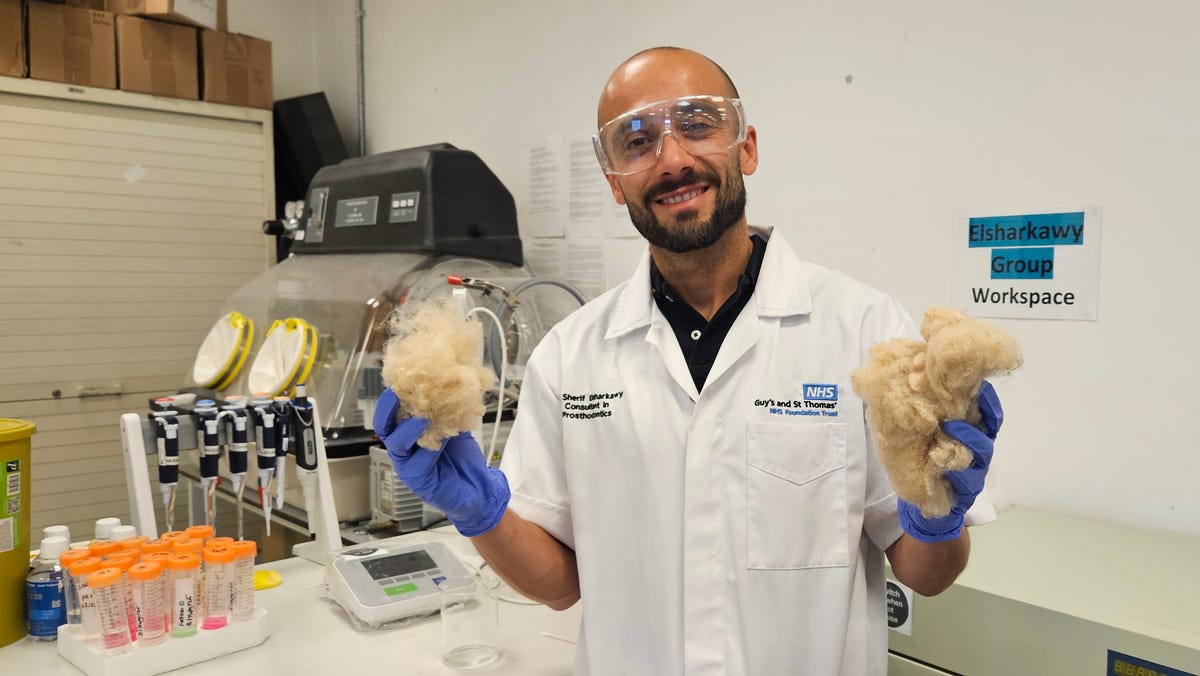
This next article goes into a little more detail about the study and its potential:
 Laura M.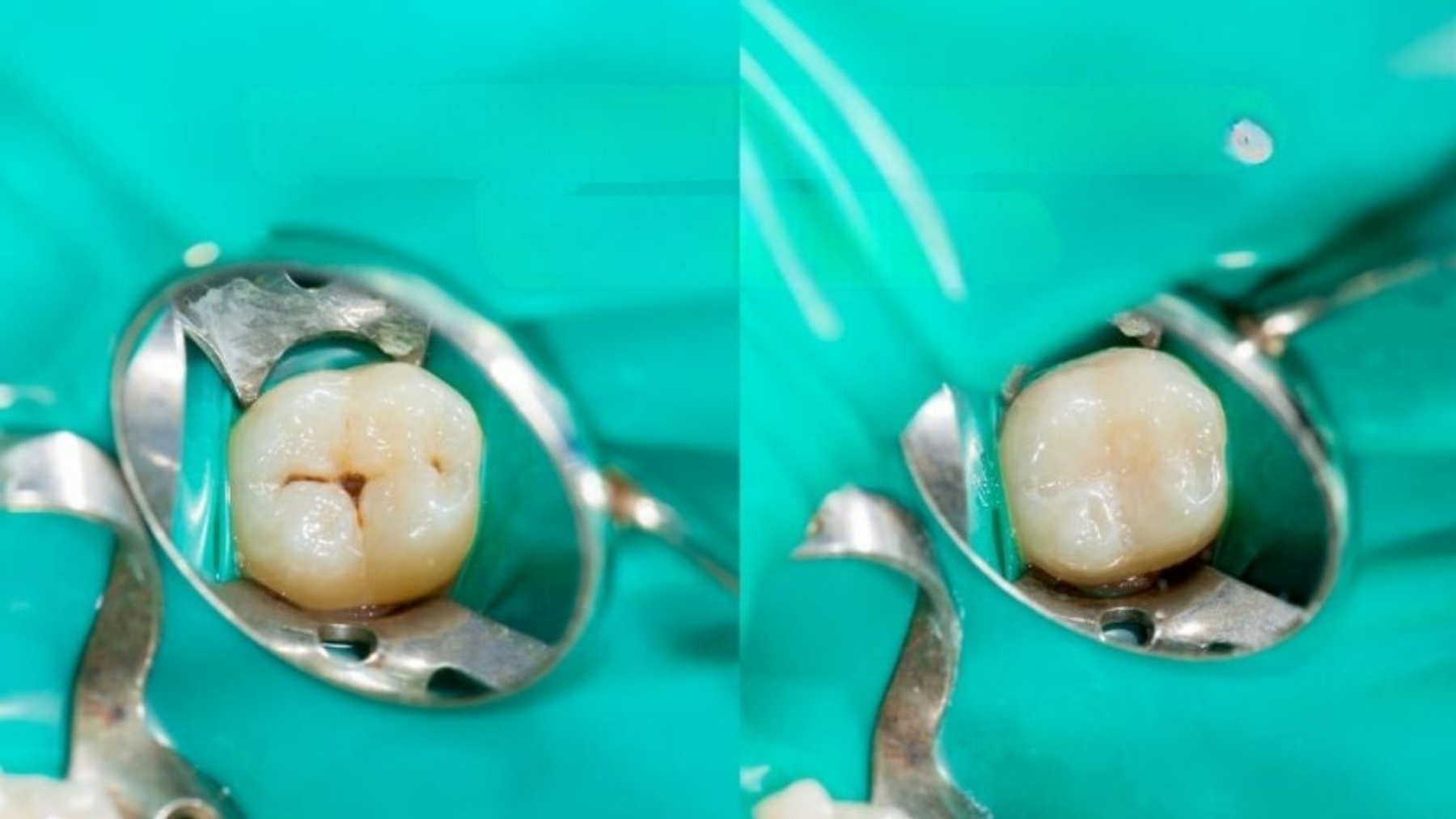
Before you start chewing on skeins of yarn, I should note that this study was conducted in vitro. Many more studies are needed before this new miracle treatment can come anywhere close to a dentist near you.
Still, I find myself asking the age-old question yet again: Is there anything wool can't do?
Bollywood Goes Woolywood
Ready for a beauty break? The epic saga of India's wool and pastoralism tradition has been retold in a beautiful, richly textured animated short film you must see.
There's music and dancing and a poetic narrative praising India's Deccani sheep and all the benefits that wool provides through our lives.
The fiber nuance and stop-motion work on this is breathtaking.
 Binita Das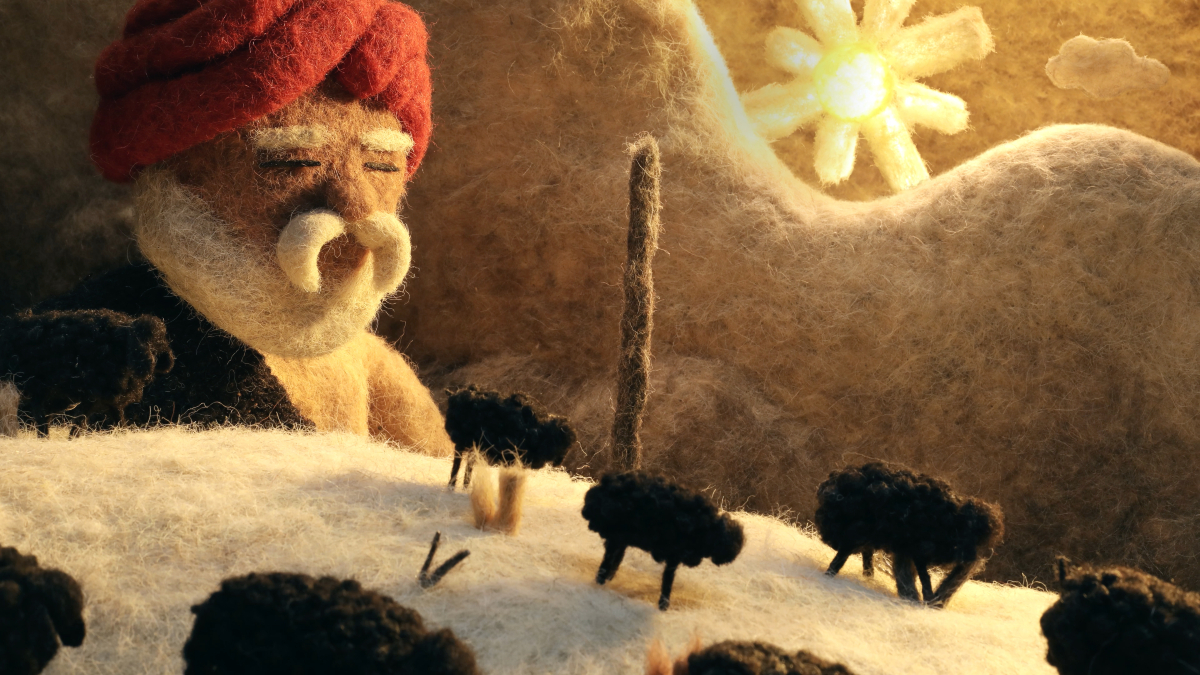
There's also a website about the making of this film, with lots more information about sheep and wool and pastoralism in India.
PETA yelps again
Speaking of regional wool traditions, PETA has been up to its shenanigans again. Their latest quest for attention came in the form of a public demand that Harris Tweed stop using wool in its heritage fabric. Instead, they want Harris to substitute a very reasonable and realistic equivalent, hemp.
Because as we all know, hemp and wool are chemically and behaviorally identical in fabric and on the human body, right?
But wait, it gets better. They ended by encouraging Harris Tweed to change their name to "Harris Weed"—even mocking up a new logo.
Harris Tweed promptly snapped back a very polite form of "no" and informed them that their use and alteration of the Harris Orb certification mark was unauthorized.
PETA again explained their concern about sheep being punched and kicked, as shown in videos PETA paid people to film in Australia—with no apparent understanding that the sheep and wool that go into Harris Tweed are a breed and continent away.
So basically, another day at the office.
 Mark McDougall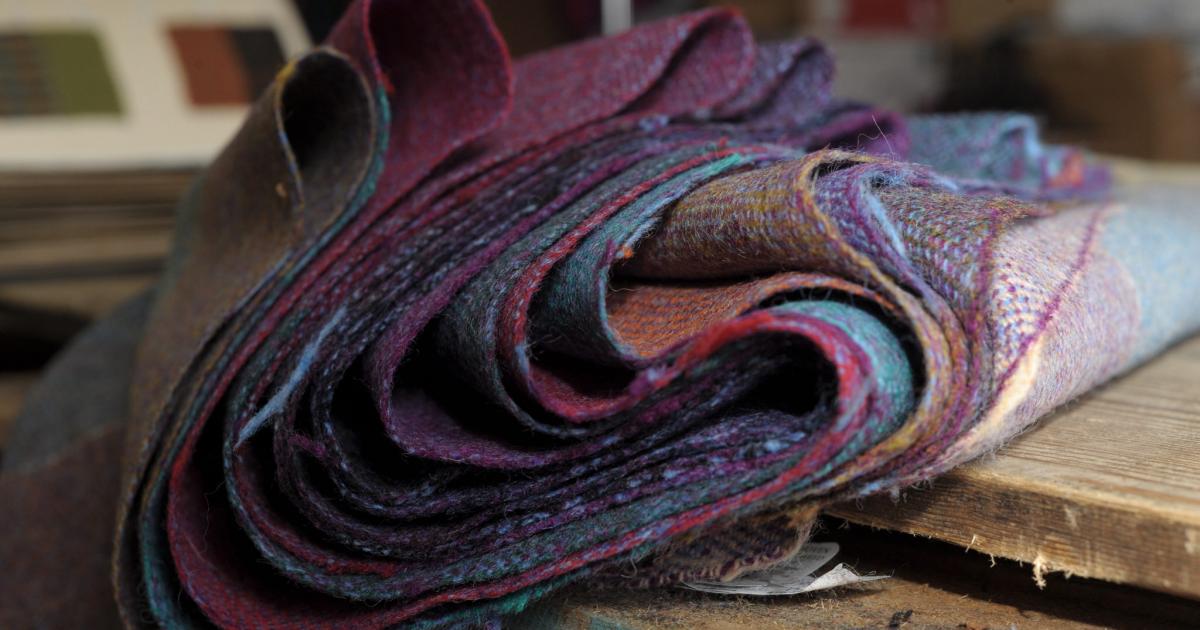
No more fleecing consumers
If I had a dime for every time I saw an ad featuring a drawing of a sheep or the words "wool" or "fleece" for a product with zero wool in it (even better, with only 2% wool), I'd be able to solve all the world's hunger problems and have money left over for my imaginary wool cardigan company.
At last, New Zealand is trying to do something about the problem they've dubbed "woolwashing." The New Zealand Commerce Commission is exploring the potential legal ramifications of mislabeling garments with wool-related imagery and terms—including whether such actions represent a violation of the Fair Trading Act.
This follows a Consumer NZ investigation showing several companies using wool-related terms to market clothing and textiles made from synthetic/wool blends, or containing no wool at all.
Aaaarrrghhhh....
A Consumer NZ article said terms such as “fleece”, “Merino” and “vegan wool” are used, with one retailer naming a fully synthetic jacket its “wool jacket”.
If people don't know to dig deep and read the fine print, they may really believe they're buying wool—when, in fact, they're getting quite the opposite.
 Gerhard Uys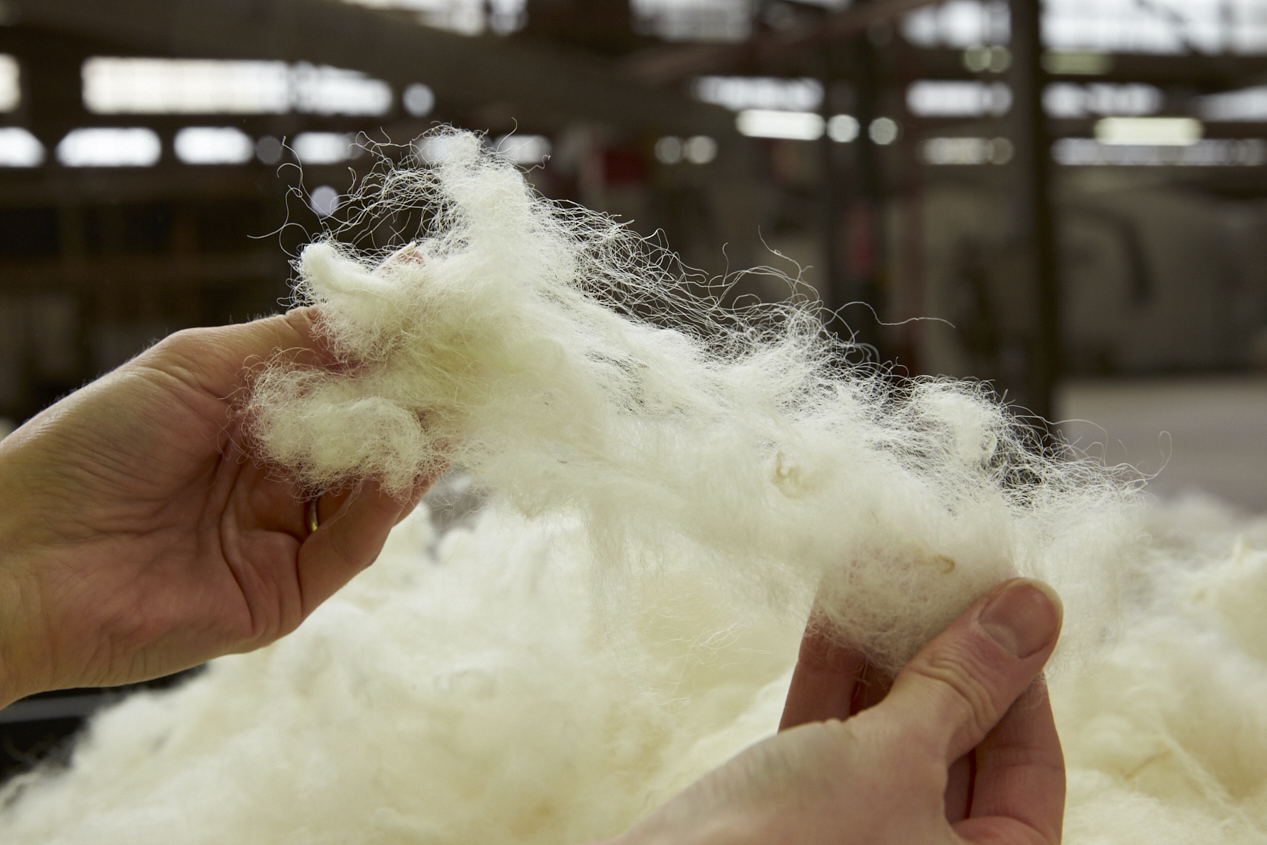
While new regulations probably won't stop the misleading marketing, they could raise awareness of how prevalent the problem really is. And maybe, just maybe, they could also inspire more consumers to study the label before making their buying decisions.
Is Nuyarn legitimate puff or marketing fluff?
Speaking of dubious marketing claims, I've mentioned Nuyarn in passing, but always with slight skepticism that it was more hype than substance. But Alex Tzelnic has recently written a more in-depth explanation of what Nuyarn actually is, for Field Mag.
While I'm glad people continue to innovate with wool to make it more palatable to those used to synthetics, I'm still sad that it entails blending the wool fibers with around 10% nylon filament.
 Alex Tzelnic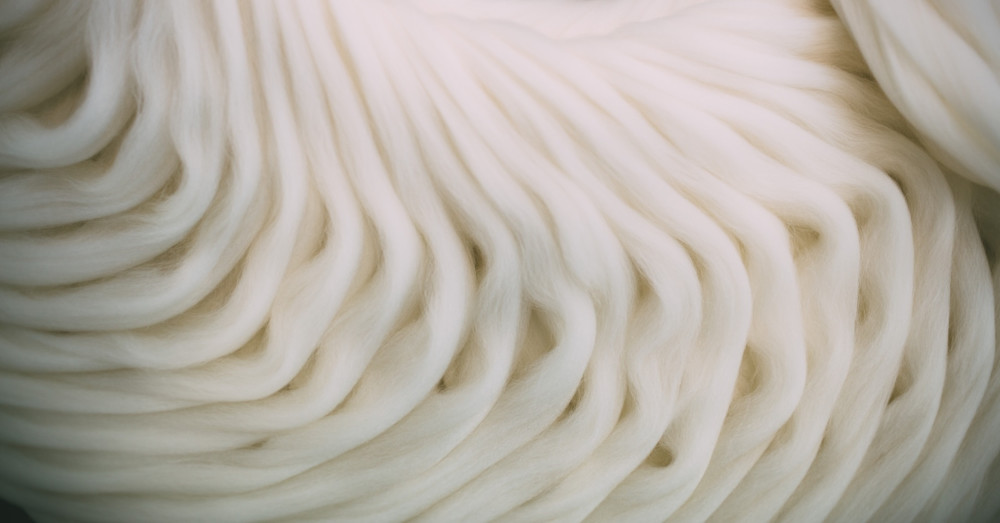
I suppose a little plastic is better than no wool at all, but still.
A Class Act
And finally, I loved this story about Raelene Laidlaw, an Australian wool classer you've probably never heard of. She has just received an award you've probably never heard of either, the Career Legacy Women in Wool Award at the inaugural Women in Wool Association Gala Ball.
Watching a skilled wool classer at work is mesmerizing. By touch alone, they can distinguish fineness down to the micron—a skill that helps farmers get the most value from their flock. Class wool badly and the entire clip will be only worth the roughest fiber in the bale.
This piece is a great introduction to the importance of the wool classer, as well as to this remarkable woman.
 Alex McLaughlin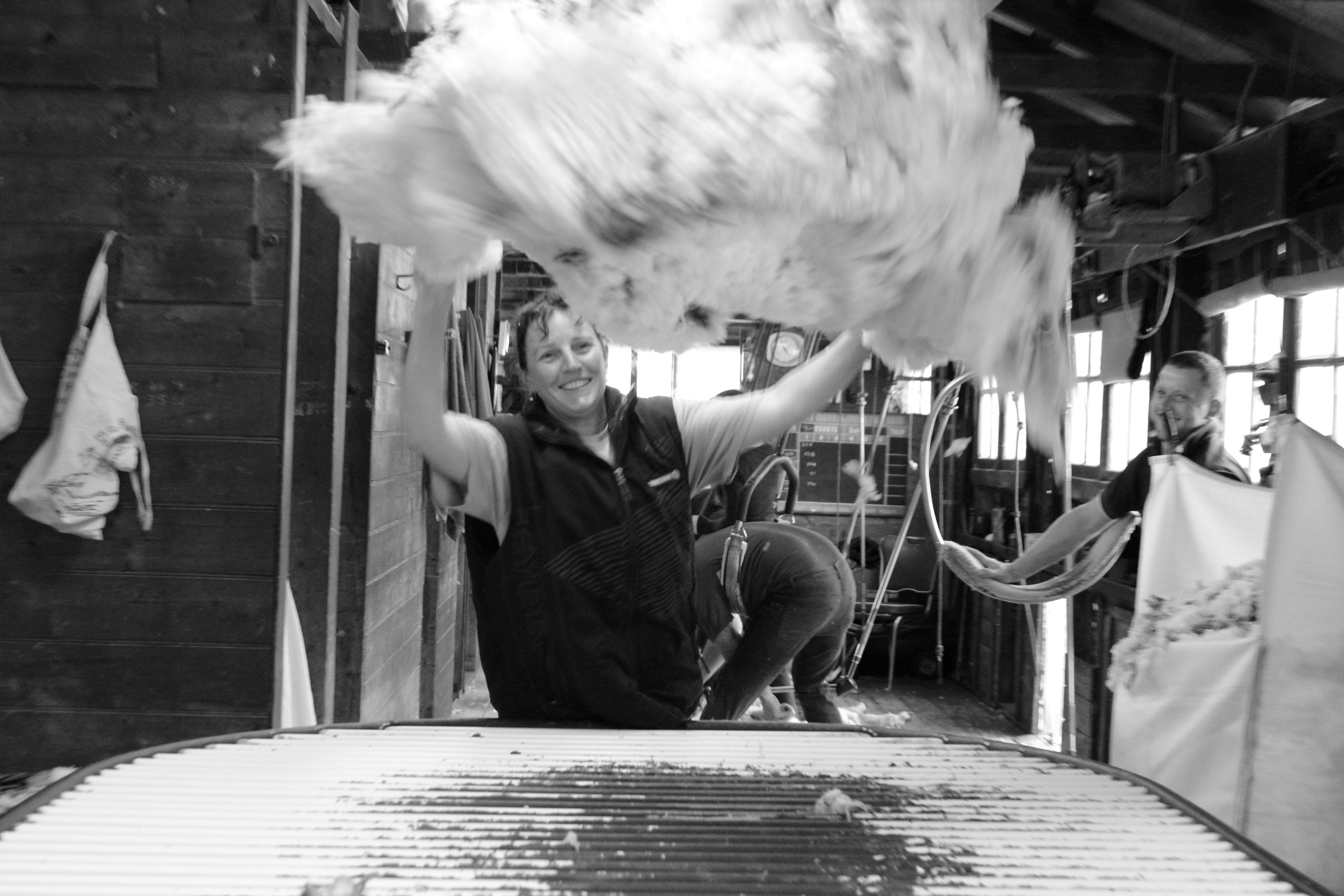
On that note, I'll let you go.
Thanks, as always, for your readership and your support.
Until next time,
Clara

The Wool Channel Newsletter
Join the newsletter to receive the latest updates in your inbox.


