The Wool Wire | September 25, 2025
A deep dive into fast-fashion and sustainability, bringing back mending, supporting U.S. yarn suppliers, and knitting a map of Ireland


News snippets from the wool world
Hello, my friends,
I've seen so many articles about sustainability and fast-fashion that do little more than shuffle catchwords around in a pretty layout without adding anything to the conversation. But this week I wanted to share a rare and fascinating exception that was published in Scientific American. (You have to sign up for free to read the article.)
The author, Jessica Hullinger, did an impressive job of outlining the growing cataclysm caused by fast fashion and acknowledging the inherent nuances in any responsible, informed buying decisions we might try to make.
The pull on the planet’s natural resources is immense: Annual textile production uses up enough water to fill at least 37 million Olympic-size swimming pools. Cotton agriculture alone uses 2.1 percent of the world’s arable land. And because roughly 60 percent of global textiles now contain plastic derived from fossil fuels, it is estimated that more than a third of the microplastics in the oceans today were shed from clothing.
Hullinger begins in the Hudson Valley before zooming out so we can get a far bigger picture of the global problem. She outlines growing efforts around the world to mitigate the damage of fast fashion and overconsumption, and ways in which consumers can change course. She covers many bases, from legislation and infrastructure improvements to ways in which you and I can modify our own purchasing and consuming behavior to leave a smaller footprint behind. The infographics are also top-notch.
 Jessica Hullinger
Making Mending Matter
A simple way to keep clothes out of the landfill is by mending them when they show signs of wear. Unfortunately, much of our mending culture has been lost.
Sweaters are particularly prone to snags and holes—and Sheep Inc. is doing something exciting for customers in the UK. They've teamed up with the UK repair platform The Seam to launch a new Knit Clinic for their beautiful Merino sweaters.
Through The Seam’s digital platform, customers can book a range of aftercare services, from stitch repairs and reblocking to de-pilling and general refresh treatments. All services are carried out by experienced makers with specialist knitwear expertise.
I'd love to see more of this!
 FashionNetwork.com SE
Supporting Domestic Makers
I recently got to speak with a journalist from Slate about how the new tariffs might impact knitters in the U.S.—and how well the American wool supply chain could (or could not) support a swing back toward domestic production.
 Kate Lindsay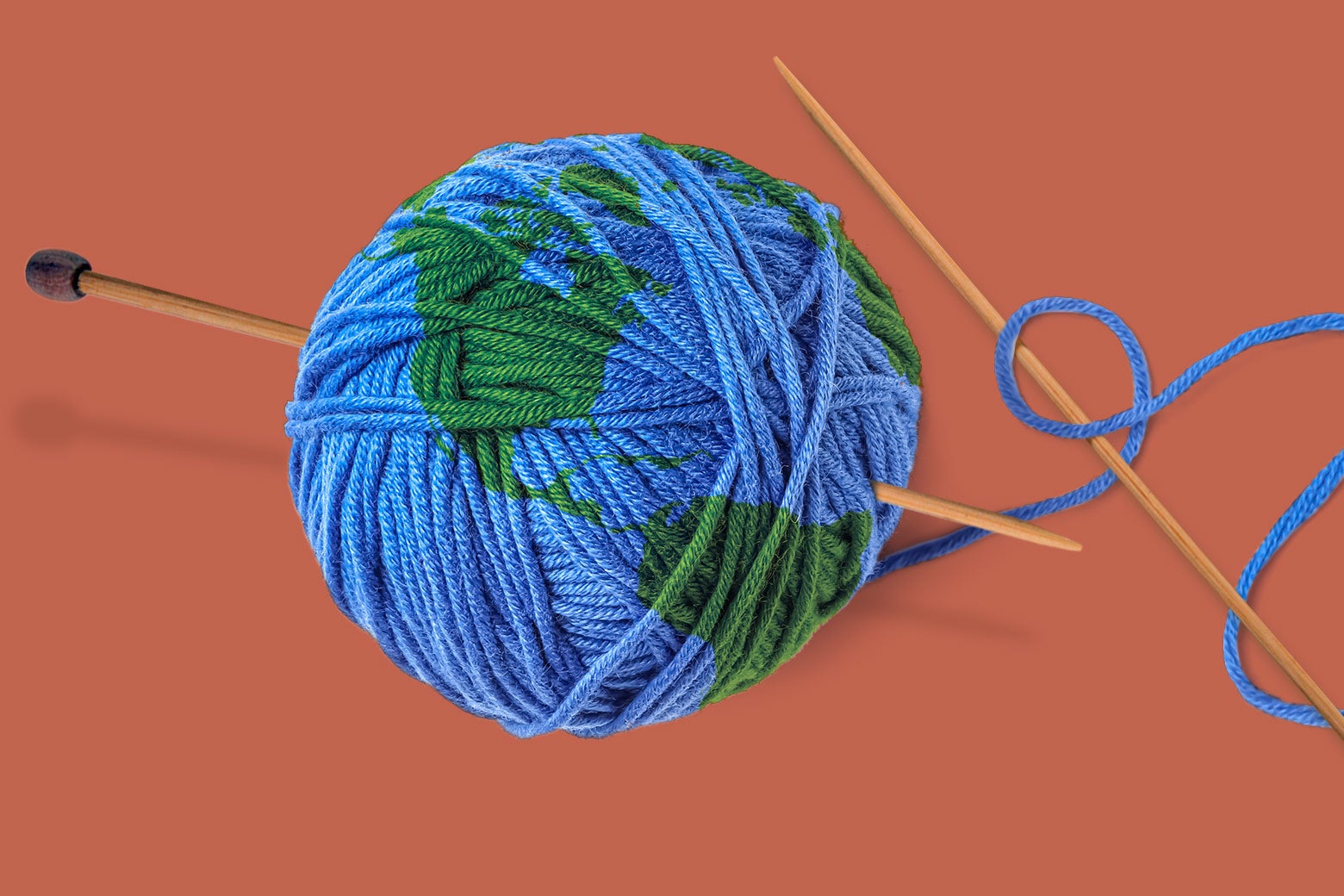
While some of my comments did make their way into the article, many more did not—including the fact that the United States does have some excellent domestically produced yarns that merit a far larger place in our stashes. I talked about companies like Brown Sheep, Germantown, Harrisville, Green Mountain Spinnery, Junction Fiber Mill, Bartlett Yarn, Bread and Butter Yarn, Jill Draper Makes Stuff, Mitchell Wool, Imperial Yarn, Spincycle, Farmer's Daughter, Barrett Wool Co., Clean Cashmere—and that's just the tip of the iceberg.
While the tariffs are definitely causing an upheaval in the craft yarn market (as they are everywhere), I also see them as an opportunity for us to re-evaluate our buying habits and make adjustments to better support what's still here.
Ireland in Stitches
Finally, let's indulge in a short, charming feel-good video that tells the story of how a knitted and crocheted map of Ireland came to be.
On that note, I'll let you go.
Thanks, as always, for your readership and your support.
Until next time,
Clara

The Wool Channel Newsletter
Join the newsletter to receive the latest updates in your inbox.


