The Wool Wire |April 16, 2026
The National Wool Museum in Wales turns 50, Fête de la Laine in Paris and wool events around the world, healing peat bogs in the Antrim Hills, a new New Zealand wool group, and using wool to treat invasive aquatic plants.


News snippets from the wool world
Hello, my friends!
I've been in France for the last few weeks, ordering shawarma at a building older than my country and buying groceries along a street that's hosted human feet for more than two thousand years. The juxtaposition of old and new hits different here—but it exists nonetheless.
This week I propose we walk that line between old and new, legacy and innovation.
We begin in Wales, where the National Wool Museum is celebrating its 50th birthday. That's right, Wales has a museum dedicated to wool!
One of the highlights of a visit to the museum this year is the newly reopened Weaving Shed. Here, visitors can watch its skilled craftspeople working on producing traditional Welsh flannel and stunning double cloth tapestry blankets.
The skill of weaving double cloth blankets are on the Heritage Crafts Association Red List of Endangered Crafts, making this a rare opportunity to see the skills practised, preserved and passed on to the next generation.
 Ginette Davies
It's worth noting that this same museum noted a 22% increase in visitors just in 2025 alone, the highest percentage growth in visitor numbers anywhere in Wales.
Saying hi to the sheep in Paris
If we're going to strengthen wool's position, we have to reintroduce as many people to it as possible. Here in Paris, I happened to catch the tail end of the Fête de la Laine at the Parc de la Villette.
It wasn't a Rhinebeck-level shopping extravaganza, and that wasn't the point. It was a brilliant introduction to the wool arts for children, with shearing and shepherding and skirting demonstrations as well as hands-on demonstrations in scouring, natural dyeing, weaving, knitting, and even shepherding.
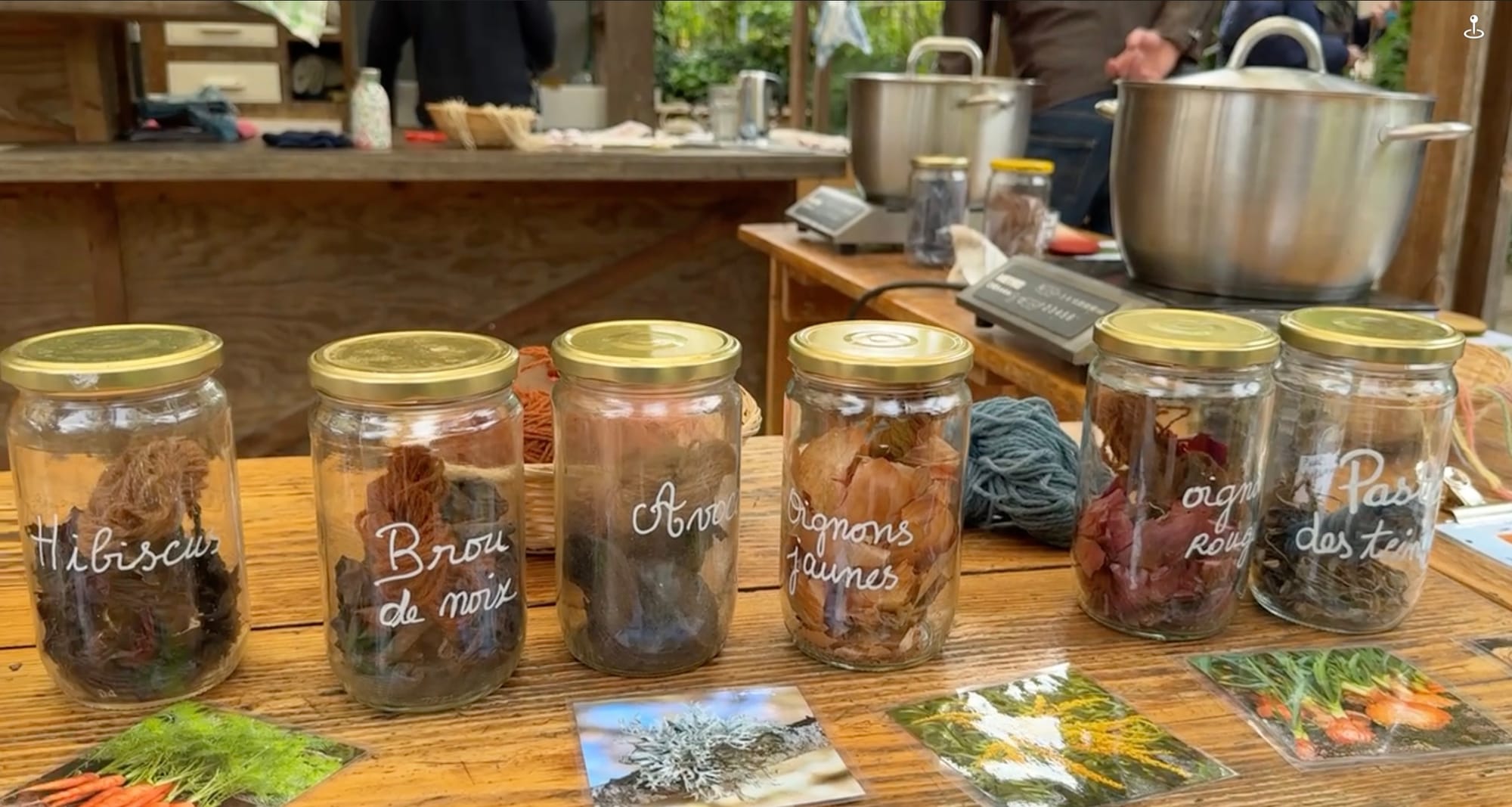
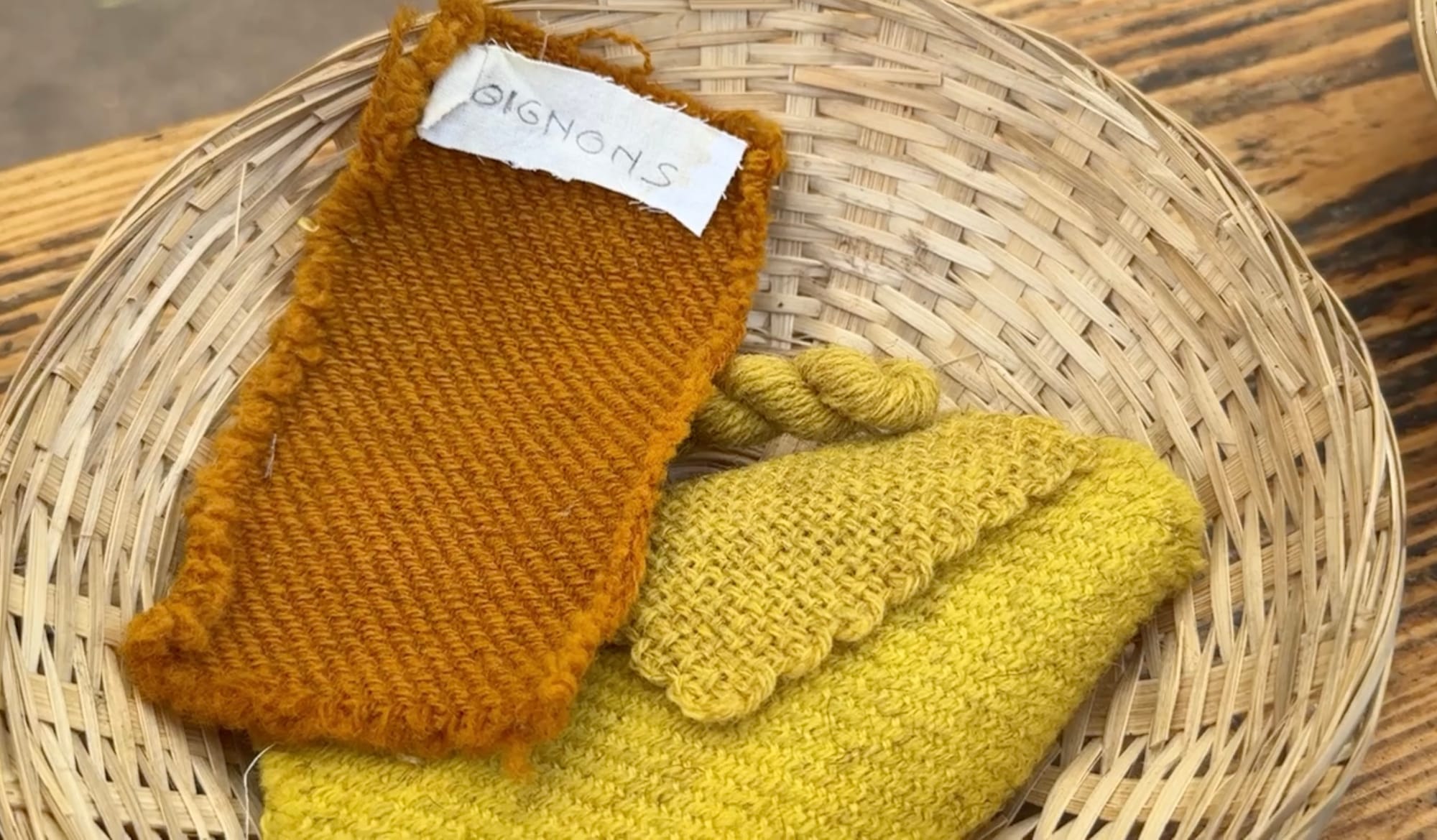


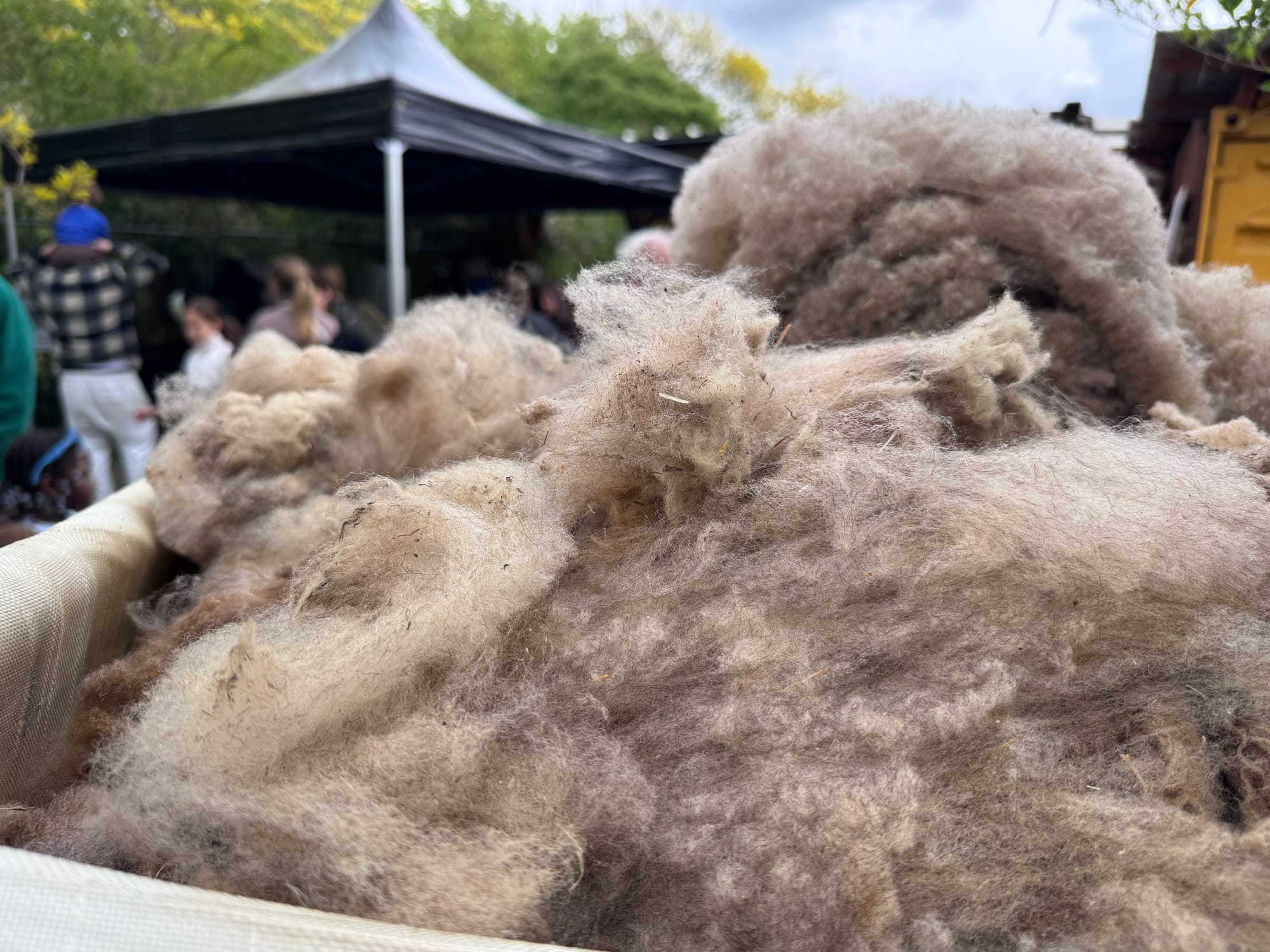
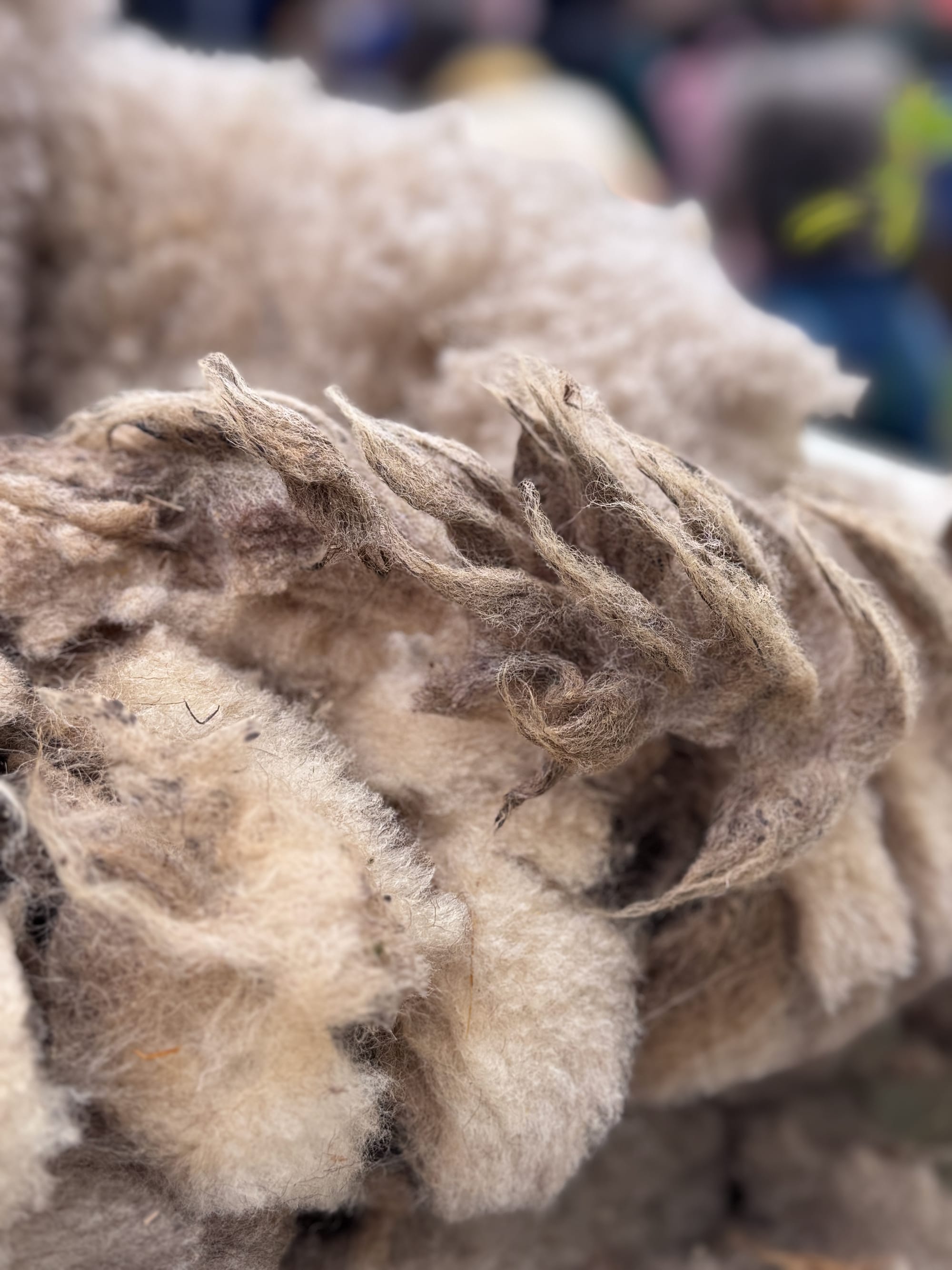
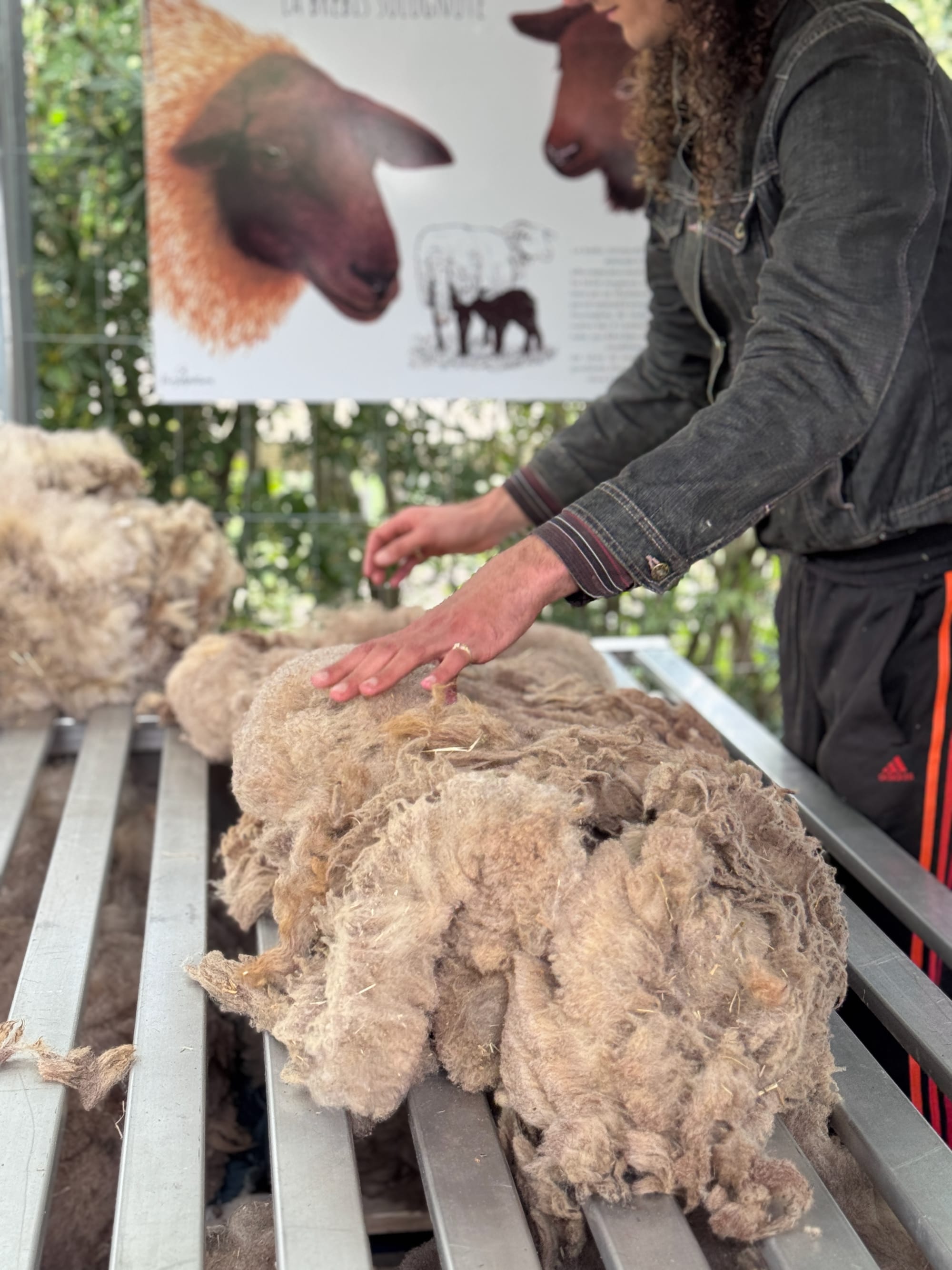
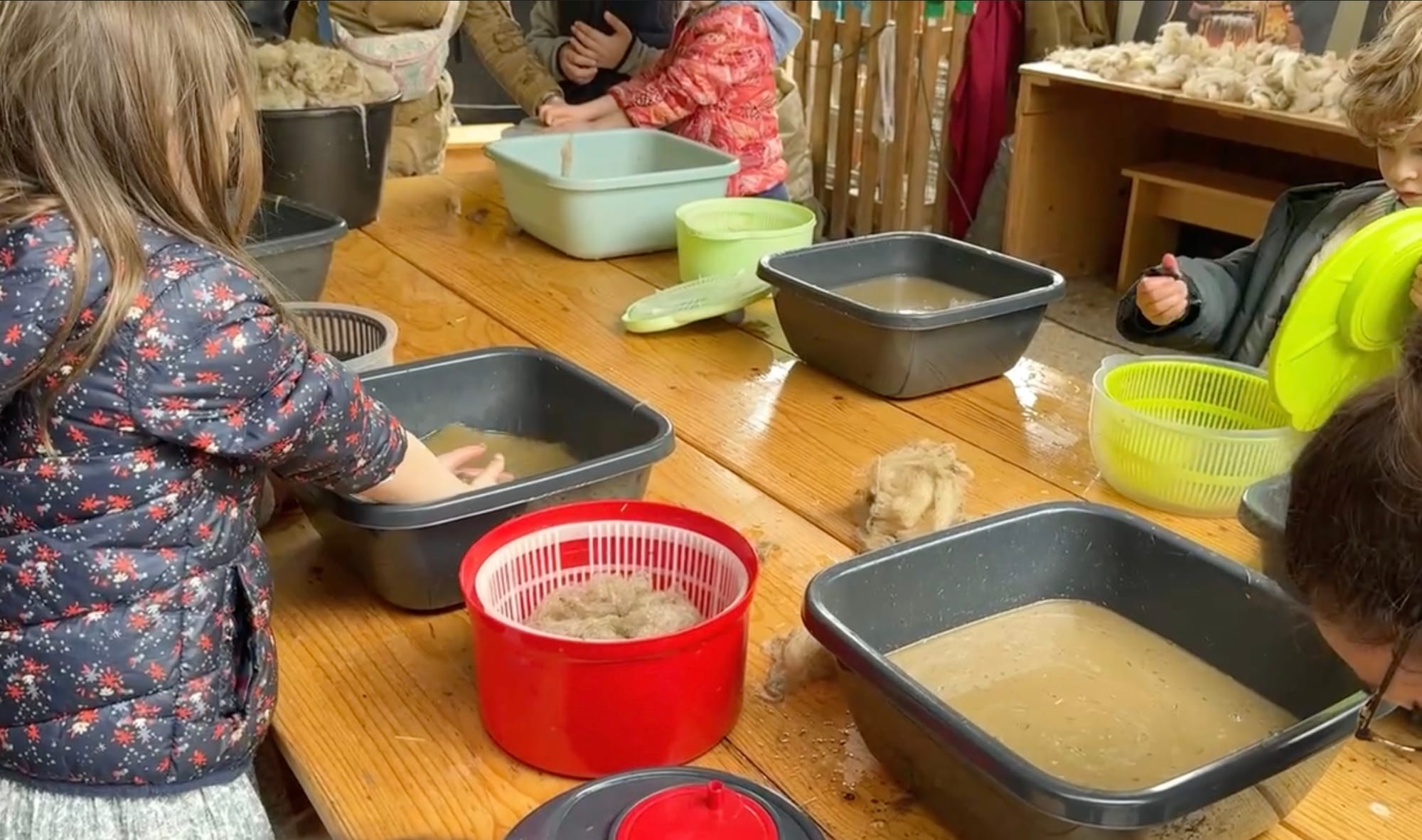
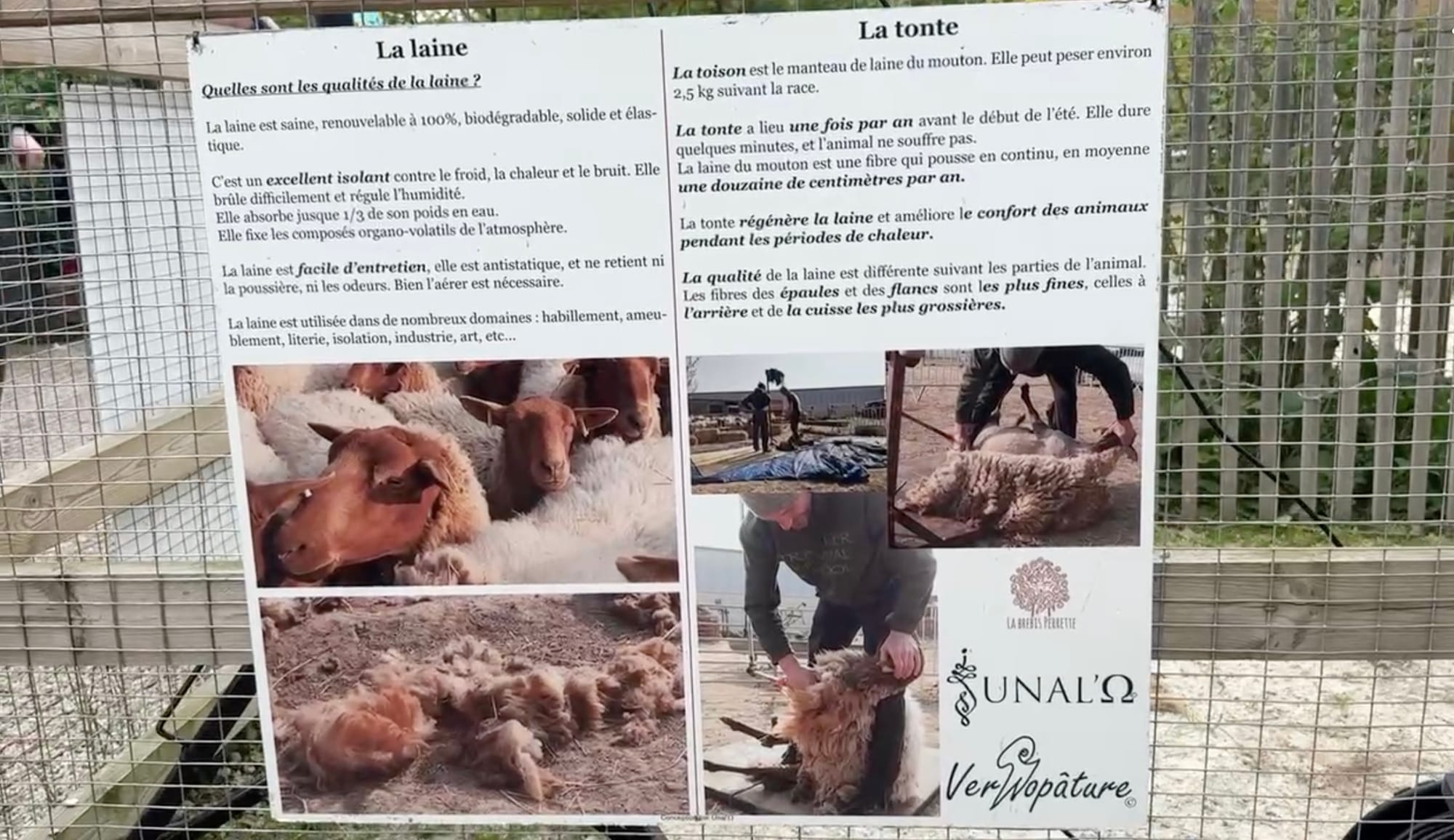
Again, the goal here is to light as many sparks as possible in as many young minds as possible. The stash can always get stocked somewhere else.
And speaking of lighting sparks and stocking stashes, the above event and hundreds more are listed on the Knitter's Review calendar—so be sure to find at least one near you and pay it a visit this year.
Grab your wool and run for the hills!
Once the spark is lit, it's time to get to work and move wool forward. In Ireland, they're making "logs" from Northern Irish wool and testing their effectiveness in managing erosion in a blanket bog at Slievenanee Mountain in the Antrim Hills.
Scoured fleece is tightly compacted into wool textile sacks, these “logs” will then be placed in areas damaged by erosion and weathering, to help slow water flow, trap sediment and allow vegetation such as sphagnum moss to re-establish on areas of bare peat.
If it works, this could represent a powerful turnaround for local farms those sheep grow rougher grades of wool. Peatlands play a vital role in water quality, carbon storage, and biodiversity. If wool could help heal the peatlands while replacing coir (the current, imported material being used), this would be a win for everyone. Here's the story.
New wool body begins to take shape
Over the last few years, the New Zealand government has been putting a lot of energy and funding behind building brand partnerships and finding innovative uses for the country's abundant strongwool clip—and the results have been steadily rolling in.
So far they've had separate branches doing separate bits of work, but it looks like they're ready to put everything in a blender and establish "a new single-voice, market-driven organisation." The working title for this new representative group and levying body (think Woolmark, but for New Zealand) is NZ Wool, and they hope to have it rolled out next year.
 Annette Scott
Using wool to hit bottom
And speaking of innovation, let's finish with a new piece involving a totally new application of wool for weed suppression.
What's that you're saying? Haven't I written about wool mats for weed suppression before? Indeed I have. But in this case, they're testing wool's efficacy on suppressing weeds along a New Zealand lakebed that's been threatened by a highly invasive submerged aquatic plant.
Until now, the lake had been hand-weeded by divers. The hope is that this natural fiber will help native plants regrow while suppressing the invasive weed.
We are looking forward to the results of this experiment as Rotokawau is one of the 12 lakes ranked as ‘outstanding’ in Te Taitokerau. This particular lake supports threatened underwater plant species and kākahi (freshwater mussels), as well as 14 other threatened species, but is also impacted by the invasive oxygen weed, Egeria densa.
It would be such good news if this works, since invasive weeds are becoming a problem in lakes around the world—including back home in Maine.
 Northland Regional Council
And on that note I'll let you go.
Thanks, as always, for your readership and your support.
Until next time, take care of yourselves and each other,
Clara

The Wool Channel Newsletter
Join the newsletter to receive the latest updates in your inbox.