The Wool Wire | May 14, 2026
Raves for the Sheep Detectives, healing peat bogs, grazing beneath panels, and regional wool movements in Poland and Italy's Abruzzo region.


News snippets from the wool world
Hello, my friends,
The Sheep Detectives premiered last week and has been getting rave reviews (NYT gift link). But could we expect anything less from a courageous if not mostly computer animated flock of sheep?
Streaming of the movie is expected to be available this summer. For now, it's only available in theaters. If you missed the trailer or just feel like watching it again, here you go:
Curious to peek deeper into how the magic was made? Here's a longer behind-the-scenes look.
Using wool, for peat's sake!
The fictional sheep in Three Bags Full and its film adaptation The Sheep Detectives may have solved a murder, but real sheep solve plenty of real-world problems too. For example, let's talk about landscape restoration.
Marsden Moor is an upland blanket bog in West Yorkshire. Wildfires in 2021 damaged the land and left swaths of peat bare and degraded, risking the release of all that valuable stored carbon. After a brief stint volunteering with the National Trust, University of Huddersfield Materials Technician Nicola Redmore learned of the problem at Marsden Moor and had an idea.
Her project, fittingly called "Stitching the Landscape," involves clean but otherwise unprocessed British wool being stuffed into recycled fabric bags, which are then placed at strategic locations to slow the flow of water and help the land heal.
The Yorkshire Post wrote a lovely piece about the project if you'd like to learn more.
The grass really is greener
Another problem that sheep are proving very gifted at solving is keeping the land beneath solar panels tidy. When farmland is taken out of agriculture, everybody loses. But when struggling farms are able to use solar arrays to generate income that allows them to continue farming—and especially if they use sheep to graze beneath those panels—everybody wins.
In Australia, they're noticing another benefit they didn't expect. Where sheep would normally congregate beneath a few trees for shade on hot sunny days, they can now continue grazing in the shade of the panels. Moreover, the grass growing beneath panels tends to be greener—meaning a steadier source of quality nutrition for sheep, which translates to a more consistent fleece.
Here's a deeper story from NBC on how this is playing out.
Poland joins the regional wool movement
Sheep can also play a role in helping revive local industry and, to a certain extent, a larger sense of regional pride and identity. I've told you about all the small regional wool movements sprouting up around the world, and we have another one, this time in Poland.
Founder Ewa Rozkosz says the foundation seeks to promote wool as part of Poland’s cultural and agricultural heritage, support craftspeople and breeders, and advocate legal changes to make the material easier to process, use and sell.
I especially appreciate the focus on making it easier for small-scale and hobby businesses to source locally grown wool instead of importing it.
 Image by Dinh Khoi Nguyen from Pixabay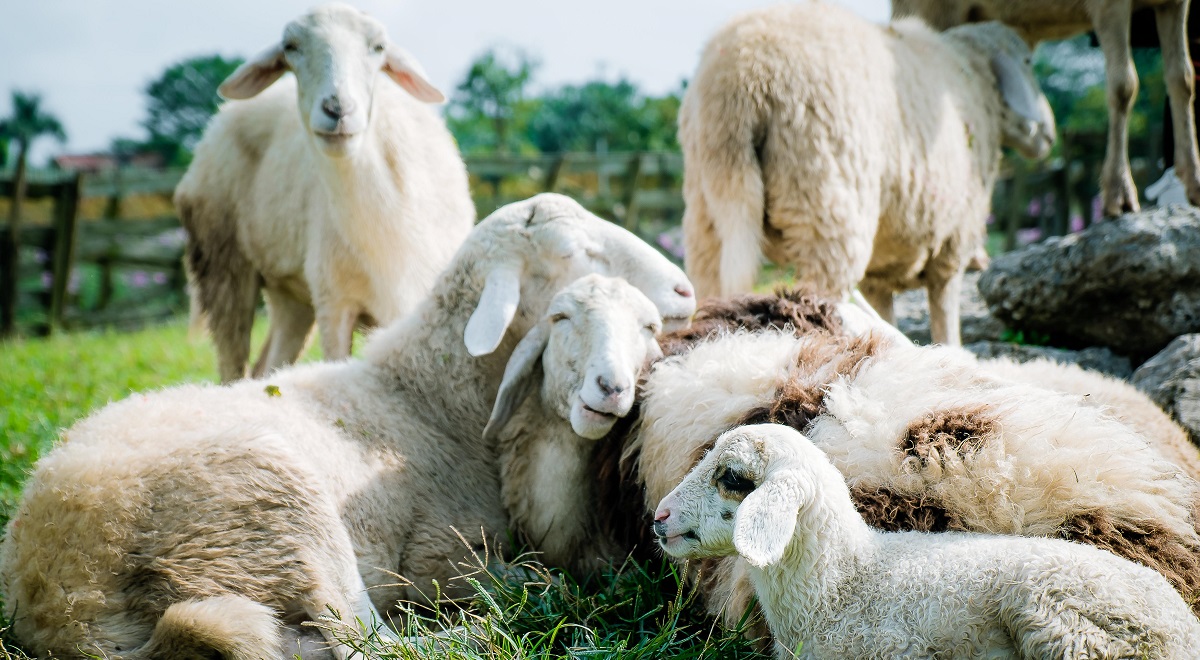
Adding looms with a view in Italy
And finally, I'll leave you with this uplifting story about a new school of weaving, wool, and natural fibers that's been launched in Italy's Abruzzo region—the goal being cultural, social, and economic revival, with sheep at the center.
"It is a great challenge, but a very exciting one," says Elena Baistrocchi, director of the Lisio Foundation. "We have brought looms and machinery, the idea is to create a place that is a centre of memory, research and innovation and that can be an attraction for the area, but not only. Moreover, our founder, Giuseppe Lisio, was originally from Roccamontepiano, in the province of Chieti, so for us this project also represents a return to the region'.
Anyone fancy a trip to Italy?
 Chiara Beghelli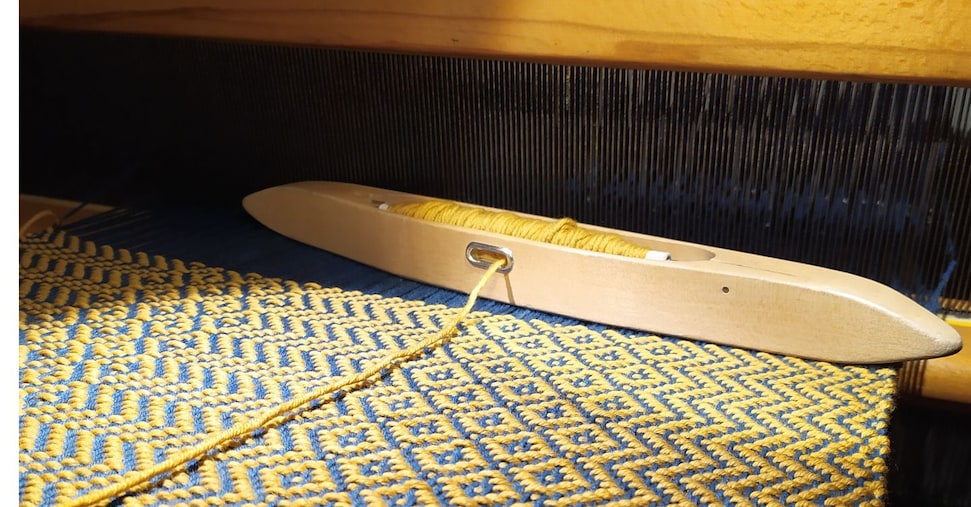
On that note, I'll let you go.
Thanks, as always, for your readership and your support.
Until next time,
Clara

The Wool Channel Newsletter
Join the newsletter to receive the latest updates in your inbox.