The Wool Wire | June 27, 2026
A new wool pool in the Pacific Northwest, coarse wool in our closets, WoolGard wrap for bandages, a wool-derived dye for denim, staying warm on the Patagonian plateau, and keeping slugs and snails at bay in the garden.


News snippets from the wool world
Hello, my friends!
The summer solstice is behind us and our days are slowly losing sunlight, but the heat of summer is only now hitting its pace—and an unprecedented pace at that. The time for healing the soil and cutting fossil fuels out of our lives has never been more urgent.
You and I both know how wool, and the sheep who grow it, can play a pivotal role in this transformation. But how, exactly, do we move from mere awareness to global transformation?
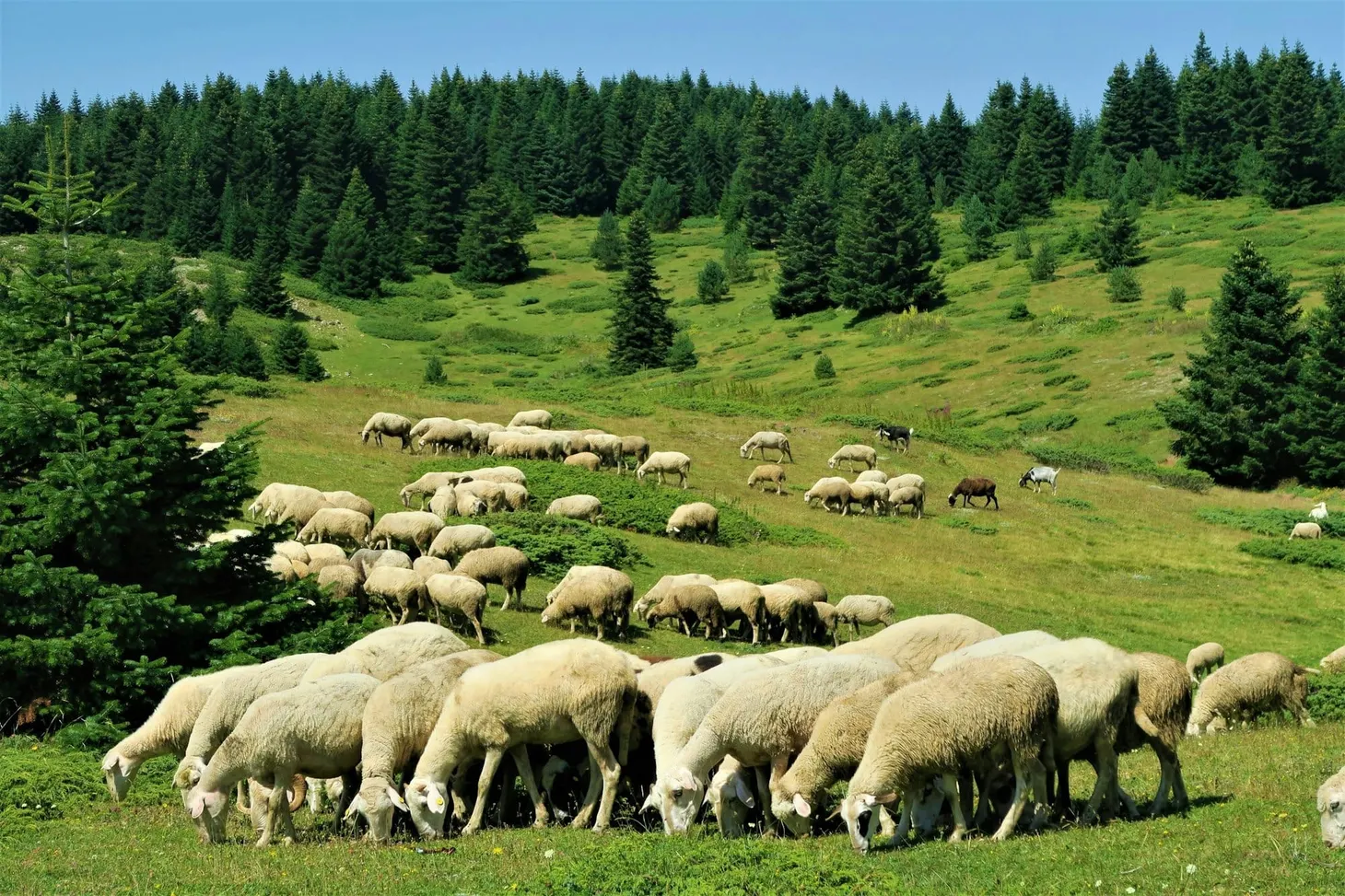
This week, we look at small steps that show we are making progress across the board. We begin in the Pacific Northwest, where key stakeholders in Washington, Oregon, and Idaho have finished incorporating the Pacific Northwest Wool Producers Cooperative.
I got the news firsthand from Washington-based Romney breeder and longtime friend of the Wool Channel Kelly Bell, who is also on the Board of Directors of this new cooperative.
She told me:
"Our goal is to increase and meet demand for longwool breed wool throughout the PNW, to stimulate new and existing longwool markets, elevate the many uses for non-Merino fiber, and to generate sustainable income for our many PNW longwool shepherds—whose primary markets have either been individual fiber artists or handspinners, or larger businesses who now purchase from New Zealand or China due to price."
This project has been in the works since 2021. As we speak, shepherds are now gathering the first clip for delivery later this year and early 2027, with wool bedding producer Holy Lamb Organics as one of the first customers and others negotiating their contracts now.
Getting coarse back in our closets
With a Merino-obsessed world, it's easy to envision coarse wool as the exclusive domain of rugs, comforters, and pillows. But coarser grades of wool are getting renewed attention from fashion designers and brands. Here's a thoughtfully written piece about the genesis of one such brand, B.B. Wallace.
[Knitwear specialist Sarah] Allsopp explains that the renewed interest in local wool is tied to authenticity—people today value products that feel real and connected to its origins. B.B. Wallace is genuinely British and grounded in its local (wool) history.
To be fair, the brand is also working with knitting producers in Spain, Belgium, and China. But I'm encouraged to see non-finewools inch back into our closets, especially when paired with marketing that makes the fiber a key part of the narrative.
 Anna Roos van Wijngaarden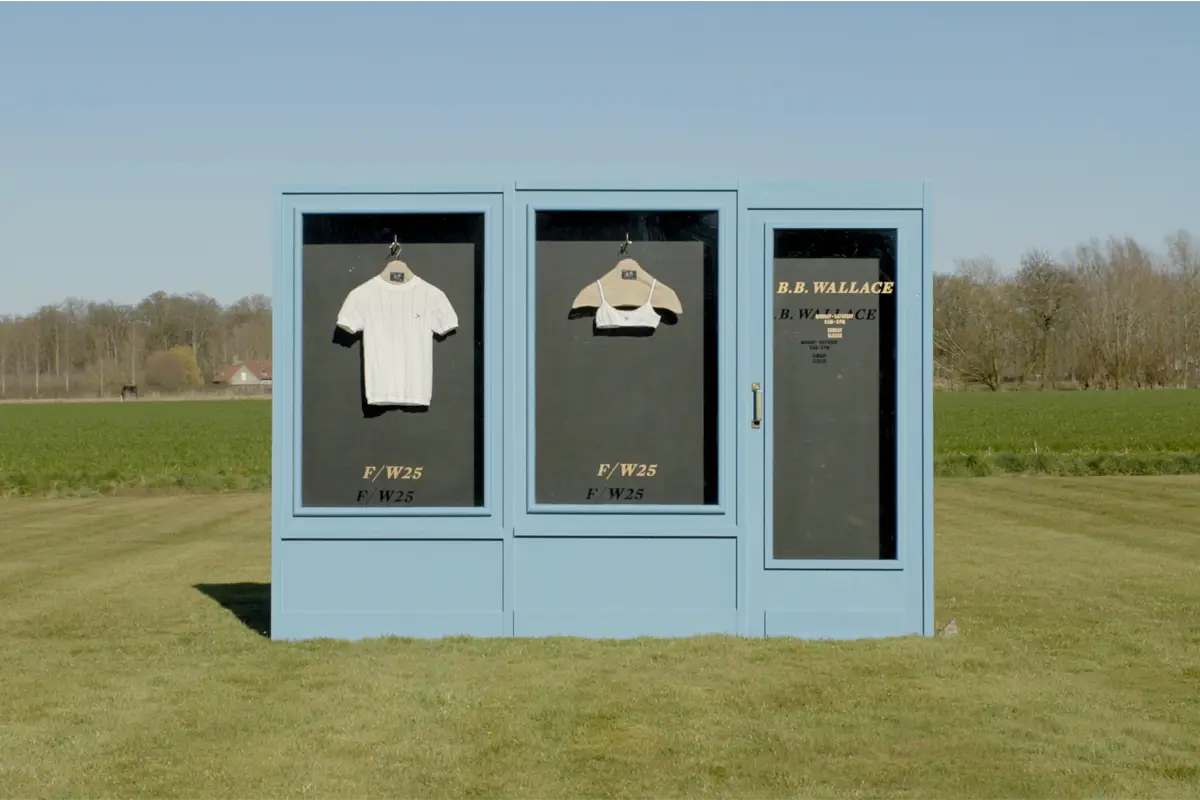
Healing hooves
New Zealand is finding another use for its strongwool as a natural wrap for bandages—not for humans but for horses. I heard about WoolGard from reader Kristin W., who's not only a dedicated sewer, knitter, and caretaker of sheep and alpaca, but she's also a horse veterinarian.
She told me she's been using and loving this product, which she says lasts longer and offers better moisture control and thermoregulation than cotton. I can't think of a finer endorsement.
Alas, WoolGard is currently only available to customers in New Zealand.
 Tineke B.
Dye for denim
We can sleep beneath coarsewool comforters and get cozy in a strongwool cardigan but what about those bits and nubbins of wool that have no commercial value at all? That's where geekier wool innovation becomes invaluable. The latest such development comes from Swiss specialty chemical company Archroma, which has developed a wool waste-based dyeing solution for denim fabric.
FiberColors dyes are synthesized with a minimum of 50 percent wool waste, specifically fleeces that sheep farmers would otherwise pay to dispose of. By upcycling this unwanted material, the patented Archroma technology replaces petroleum-based raw materials without compromising performance, water or energy consumption, or waste generation in the dye manufacturing process.
Apparently the resulting dyes are comparable to traditional sulfur-based ones and even qualify for GOTS certification.
 Angela Velasquez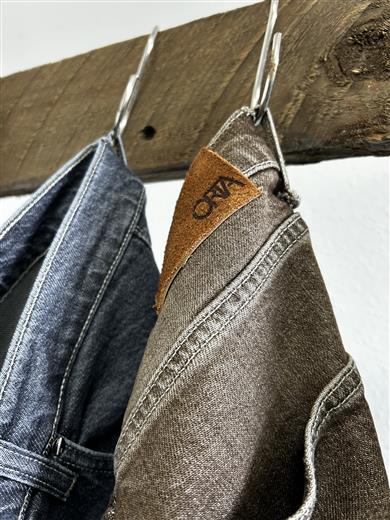
Keeping warm with waste
Meanwhile, small sheep breeders on the Patagonian plateau are getting a much-needed boost from their low-value wool. It's being used as insulation for what is hoped to eventually become a much larger series of sustainable shelter projects in the region.
The initiative represents a commitment to the circular economy. Low-quality wool, which previously ended up burned or in landfills, is transformed into an efficient and natural biomaterial.
 Matías Reynoso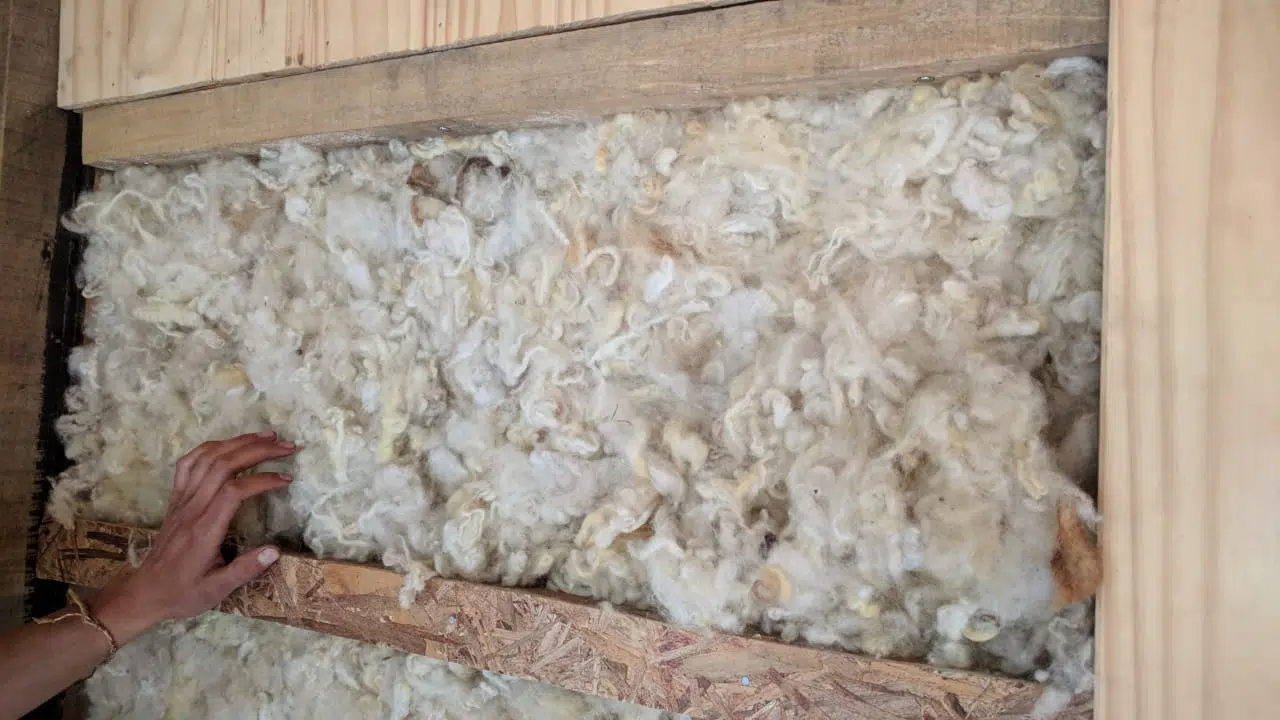
A growing industry...
Finally, we can't talk about adding value to waste wool without mentioning the garden. We discuss it so much here that I often forget it's still news to the rest of the world. When the topic of wool in the garden does show up in the mainstream media, I'm always curious to see what angle the author chooses to take.
Usually it's about moisture management or weed prevention, but two recent articles have gone deeper into that nefarious zone of pest prevention.
Homes and Gardens did a whole story on how horticultural wool is effective for deterring those dreaded slugs and snails in the yard.
Martha Davies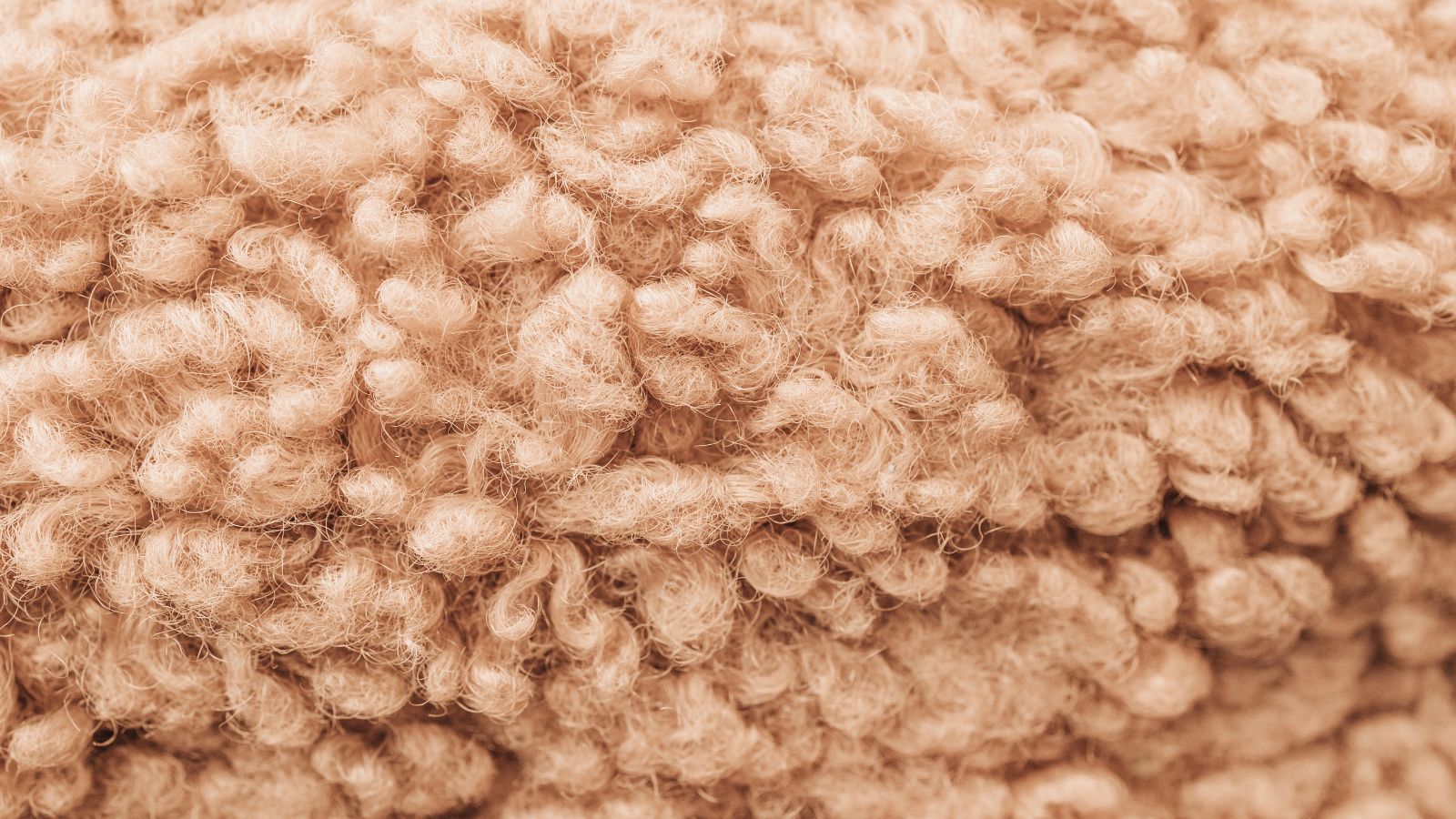
And then the Daily Mirror picked up the baton and ran deeper into slug territory.
 Angela Patrone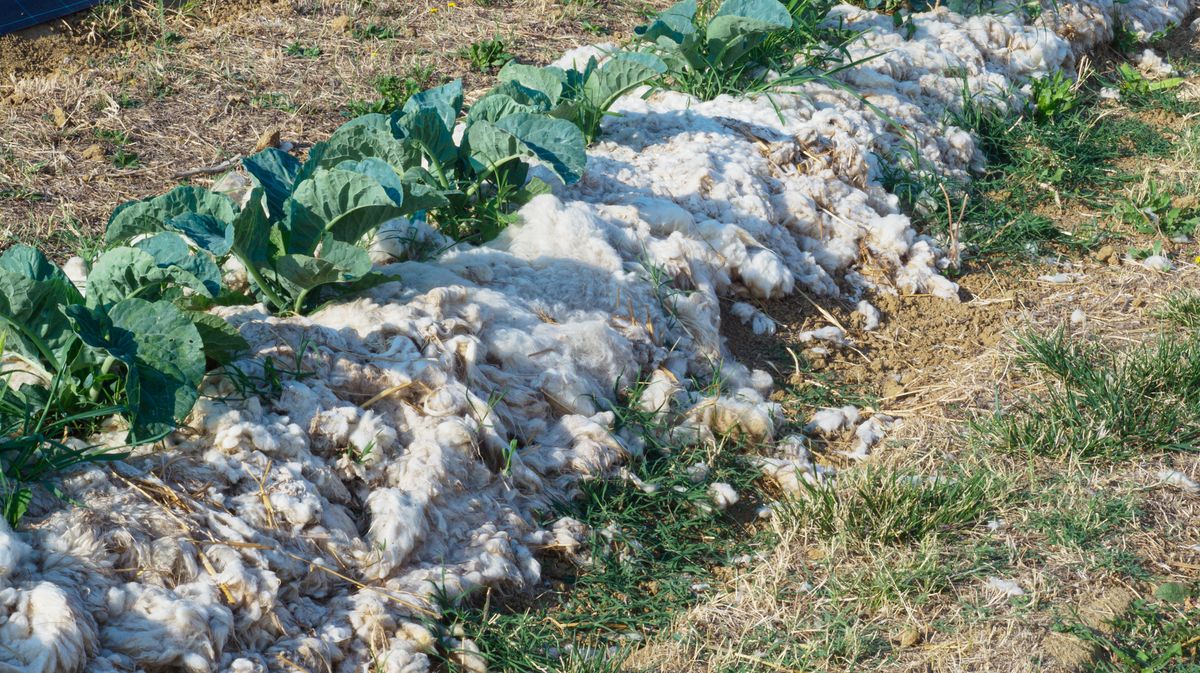
Have you tried using wool to deter slugs and snails in your garden? I'm curious whether it helped or not. I know WeatherWool's Ralph DiMeo has been keen to protect his beloved cucumber seedlings and hoping wool might do the trick. How about you?
On that note, I'll let you go.
Thanks, as always, for your readership and your support.
Until next time,
Clara

The Wool Channel Newsletter
Join the newsletter to receive the latest updates in your inbox.