The Wool Wire | June 12, 2026
Insulating soil and homes, textiles museums in the UK, India combats counterfeit fibers, Vermont considers its options, and the latest in wool geekery.


News snippets from the wool world
Hello, my friends,
Summer is off to a yo-yo of a start. Here in Maine, we've bounced from a heatwave to a frost advisory just north of us, and then back to temps that prompt one's phone to issue a warning. Maybe you're experiencing this too?
Crazy temperature swings and inconsistent rain are already leaving the soil dry, then swamped, and the plants confused. It's time to bring out the wool.
We've talked about pellets a lot, and about pellet studies. But what about simply plopping thicker quantities of raw fleece around our plants? A student at Spain's Polytechnic University of Barcelona spent two and a half years studying exactly this, with olive trees and lettuce beds as the laboratory.
According to the final report, Raoul Ferrer Fernandez was able to scientifically verify what had previously only been observed: Wool mulch significantly improved soil water retention and provided excellent temperature stability throughout the growing season.
For those of you who went overboard at a sheep and wool festival 15 years ago and still have a few raw fleeces stored in your garage, now's your chance to redeem yourself, lighten your load, and make your tomatoes and dahlias and lettuce patch very happy.
Havelock keeps pushing
Using wool to insulate your home is still considered a bit of a niche, mostly because of cost but also availability. Domestic wool insulation pioneer Havelock Wool continues its relentless push to change this.
Late last year, Home Depot began carrying Havelock's wool insulation in its online store. And in April, Havelock inked a new strategic partnership with another major North American distributor of building supplies.
Slowly but surely...
Exploring the UK's textiles history
Fancy some armchair travel? Or perhaps you have a trip to the UK scheduled for this summer? Either way, you're in luck.
Here's a fantastic overview of 22 notable specialist textile museums and archives across the UK. Its author Rebekah Pickering Wood knows a thing or two about textile museums and archives, as she's the Senior Lecturer in Museum and Heritage Studies at Nottingham Trent University.
 Rebekah Pickering Wood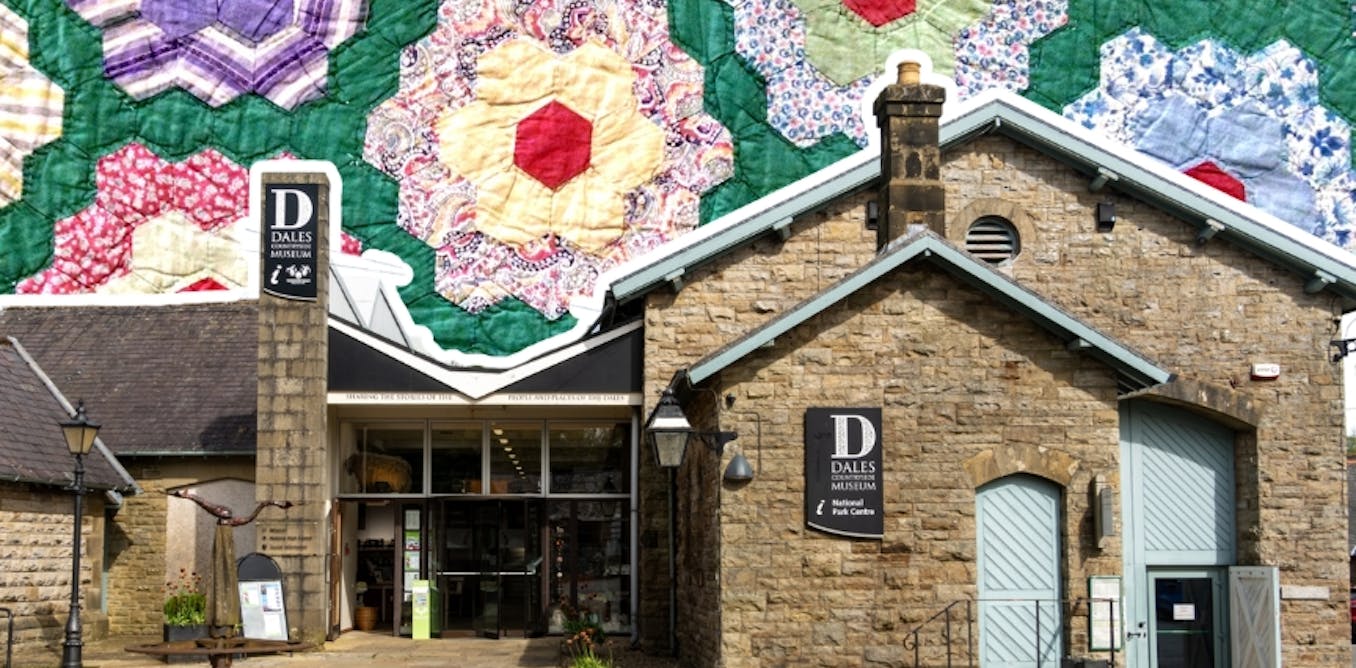
Look out Woolmark, here comes India
India has decided to strengthen its competitive position in the global wool game by launching its own branded wool certification program.
The initiative is designed to enhance the credibility and traceability of Indian wool products while providing a cost-effective alternative to established international certifications such as Woolmark. Officials indicated that the move seeks to support small and medium-sized enterprises (SMEs), which often find global certification systems financially prohibitive.
While most regional wool movements are focused on raising the profile (and value) of traditionally undervalued domestic wool, India's initiative also has another goal: combatting the sale and export of counterfeit goods marked as 100% wool that are, in fact, polyester.
 Apparel Resources News-Desk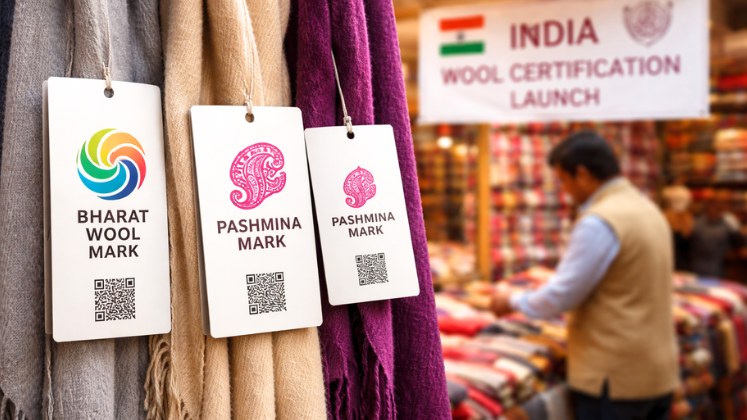
Meanwhile in Vermont...
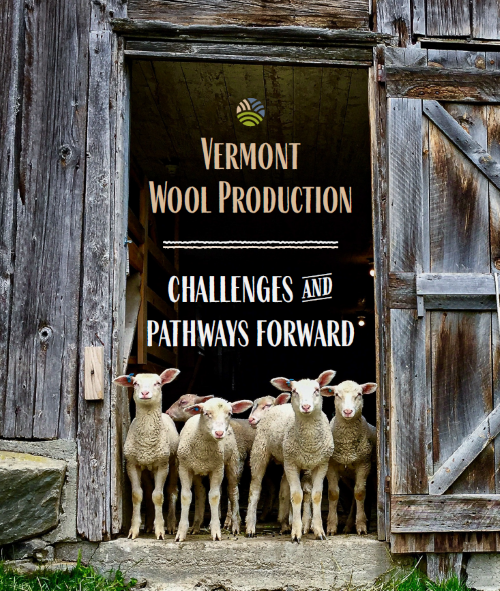
From the nation of India we move to the kingdom of Vermont, where UVM Sustainable Innovation MBA graduate Allison Dubick has given the world a brilliant and solidly researched report on challenges and pathways forward for Vermont's wool production.
Bonus: A lot of what's presented in the report might be relevant to people in other states looking to rebuild a wool economy.
By improving access to processing and building stronger markets for locally grown fiber, we can create new economic opportunities for farmers and strengthen the sustainability of Vermont’s working lands.
Nice job, Vermont!

Wool Geekery Galore
And finally, let's strap in for some real wool geekery. This last piece explores the more state-of-the-art experiments being done with wool. A few, including wool keratin’s potential to rebuild tooth enamel, we’ve discussed already.
But others blew my mind. For example, did you know researchers have found a way dissolve the wool in fabric blends using enzymes, so that the remaining fabric can be recycled? Hang on because it keeps going. They take the dissolved wool and extract the dye from it, for re-use. And then the remaining liquid can be used to strengthen new wool fibers.
Wool is perhaps no longer the industrial titan and symbol of wealth it once was, but despite its unglamorous reputation in recent years, this natural fibre is undoubtedly still a valuable commodity, with chemistry and biotechnology helping to unlock that potential.
Not that I'm thrilled at the prospect of seeing wool dissolved like this, but it is encouraging to see such high-level research being done on our favorite humble fiber.
 Victoria Atkinson
On that note, I'll let you go.
Thanks, as always, for your readership and your support.
Until next time,
Clara

The Wool Channel Newsletter
Join the newsletter to receive the latest updates in your inbox.