The Wool Wire | September 3, 2026
Polyester as the new GenZ insult, using wool to grow kelp and slow glacial melting, and Melissa Littlefield's new book, Reinventing Wool.


News snippets from the wool world
Hello, my friends,
We begin this week where I started in my last Flock Talk—with news of a rather delightful trend among GenZ. Apparently they've begun referring to anything fake, vapid, cheap, commoditized, untrustworthy, and generally insubstantial as "polyester."
USA Today did a piece about it, then Vice picked it up, then the Guardian. Even Psychology Today and Plastics Today had to weigh in on the matter.
As funny as the trend may seem on the surface, the timing suggests a broader evolution of public opinion that gives me hope. Many of us grew up over the decades during which polyester was overtaking natural fibers, when domestic manufacturing was gutted, corporate consolidation skyrocketed, and the planet became increasingly clogged with plastic junk.
I know I'm biased, but to see young people equate polyester with all that is fake and commoditized and unoriginal feels right to me.
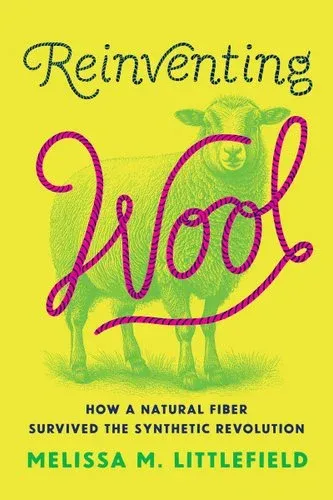
The conversation about polyester as a cultural reference is especially timely, as Melissa Littlefield's book Reinventing Wool: How a Natural Fiber Survived the Synthetic Revolution comes out on September 8. I was lucky enough to get an advanced copy. I'm only a few chapters in, but it's a fascinating and engaging read that's already brought many aha moments.
For the good of glaciers
The recent catastrophe in Nepal has spotlighted the fate of glaciers on a warming planet. While our own administration appears to have capitulated any kind of leadership role, other nations at risk are recognizing the urgency of the moment. And here's where wool comes in.
In western Switzerland, a Swiss NGO experimented with replacing synthetic protective tarpaulins with wool blankets to slow glacial melting. The move would have the added benefit of reducing the release of synthetic fibers and microplastics into an already fragile ecosystem.
For the “Keep it Wool” experiment, two blankets made of sheep’s wool, each measuring 100 square metres, were laid out at Glacier 3000 in Les Diablerets at the end of June. The NGO Summit Foundation carried out the experiment in collaboration with the University of Lausanne. Scientific supervision was provided by staff from the Swiss Glacier Monitoring Network (Glamos).
The results were promising, with the wool blankets reducing glacier melt in the covered areas by between 50 and 70%. The grade of wool being used is a rougher variety that's more commonly grown and in need of a commercial market, so this could move the wool needle a bit—even if it is a very small bandage on a massive global problem.
 SWI swissinfo.ch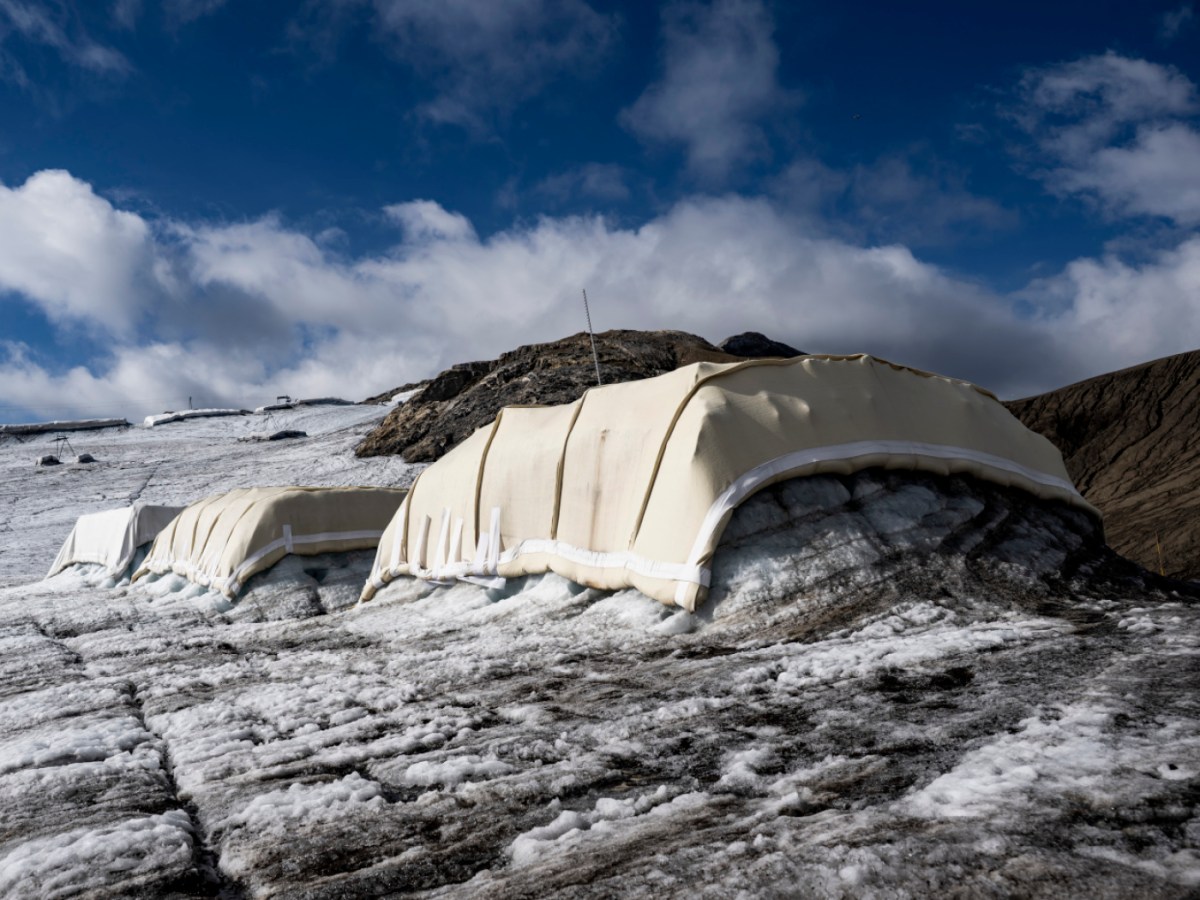
A better rope
Another hopeful development is taking place in Norway. For the last decade, seaweed has been industrially farmed on polyester ropes. At harvest, the ropes would be pulled and washed with detergents before being returned to the water. But each cycle sheds microplastics into the water and weakens the rope until it eventually breaks and washes ashore, where it's usually incinerated or sent to a landfill.
Now, trials at Arctic Seaweed's Trettosen farm near Bergen are successfully cultivating three types of seaweed on 100% wool rope—with additional trials underway in Iceland. At harvest, the wool rope is pulled out of the water and both the crop and rope are processed into fertilizer. Yes, the wool rope is used only once, but the detergent wash, microplastics, and disposal problems are all eliminated.
Best of all, it offers a much-needed source of income for farmers raising rougher grades of wool that have lower commercial value.
 Helen Gates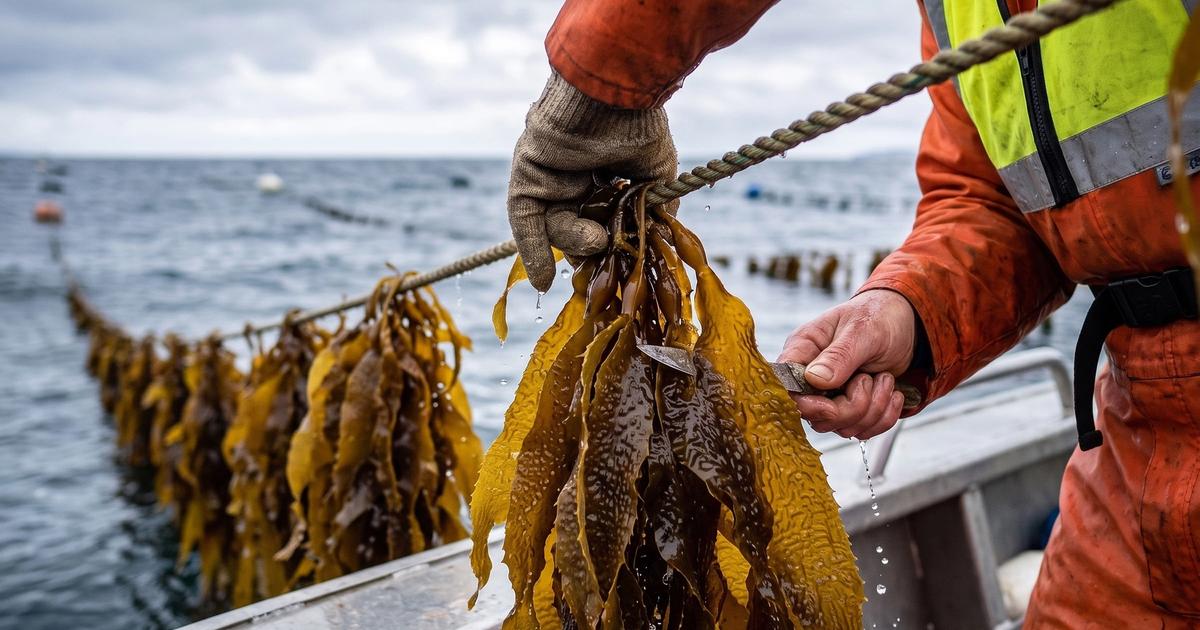
Baby steps, but steps nonetheless, right?
On that note, I'll let you go.
Thanks, as always, for your readership and your support.
Until next time, take good care of yourselves and each other,
Clara

The Wool Channel Newsletter
Join the newsletter to receive the latest updates in your inbox.